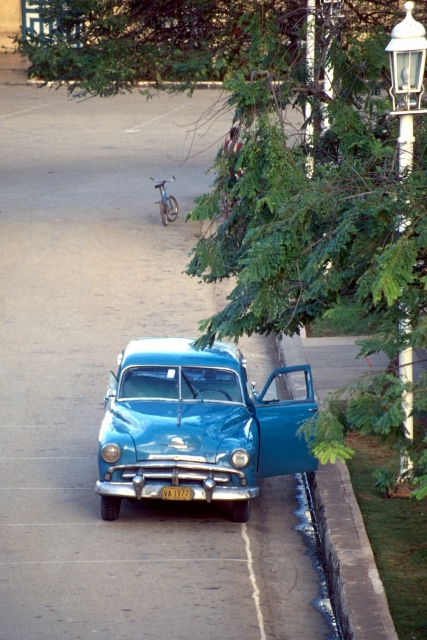
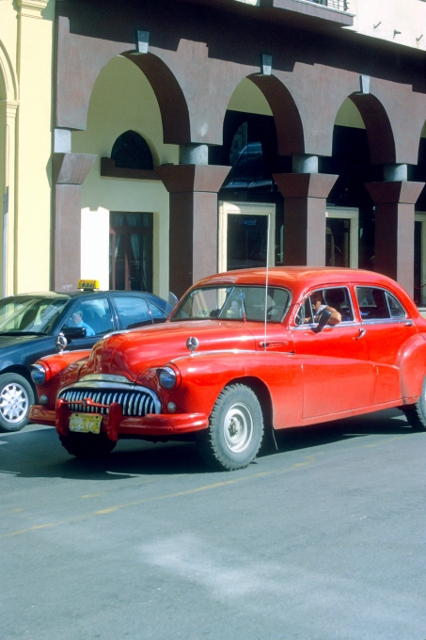
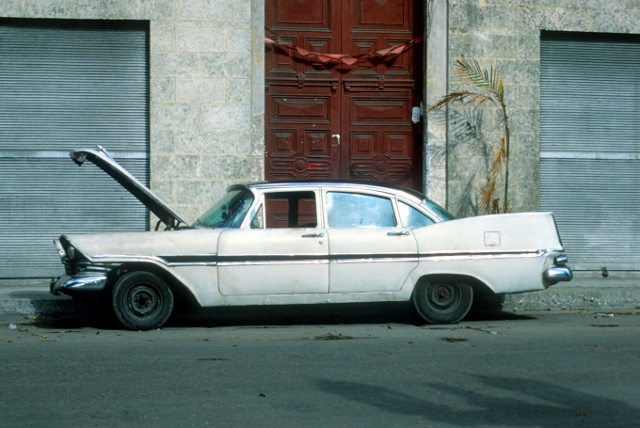
In December 2001, when we travelled to Cuba for a short break from our then-residence in Haiti, the island was famous for its old American cars, 1950s models that had been maintained against all odds, deprived from spares through sanctions. I am not sure how that is today, but 25 years ago you would still encounter many of them, in Havana and in other towns. In great condition, and polished spotlessly clean.
The journey
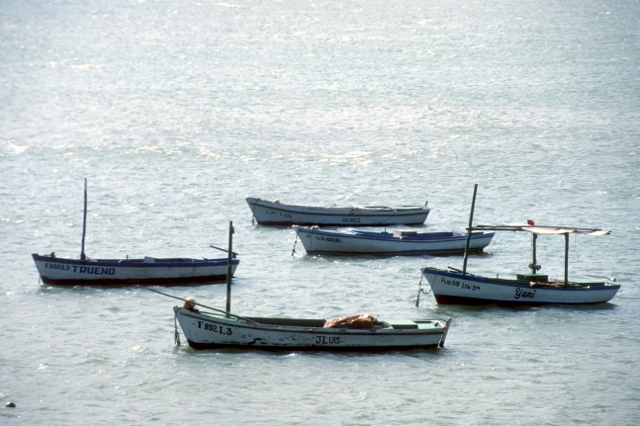
We arrived in Santiago de Cuba, a short hop from Haiti, where we rented a car to criss-cross the island for some two weeks. First, drove to Baracoa, at the eastern tip of the island – in an attempt to spot Guantánamo Bay, already then a controversial US Navy base, and prison. No chance, of course. Then on to Moa and the beach resorts of Guardalavaca, and via Gibara, a sleepy fishing town, which was somewhat disappointing, and Holguin to Camaguey.
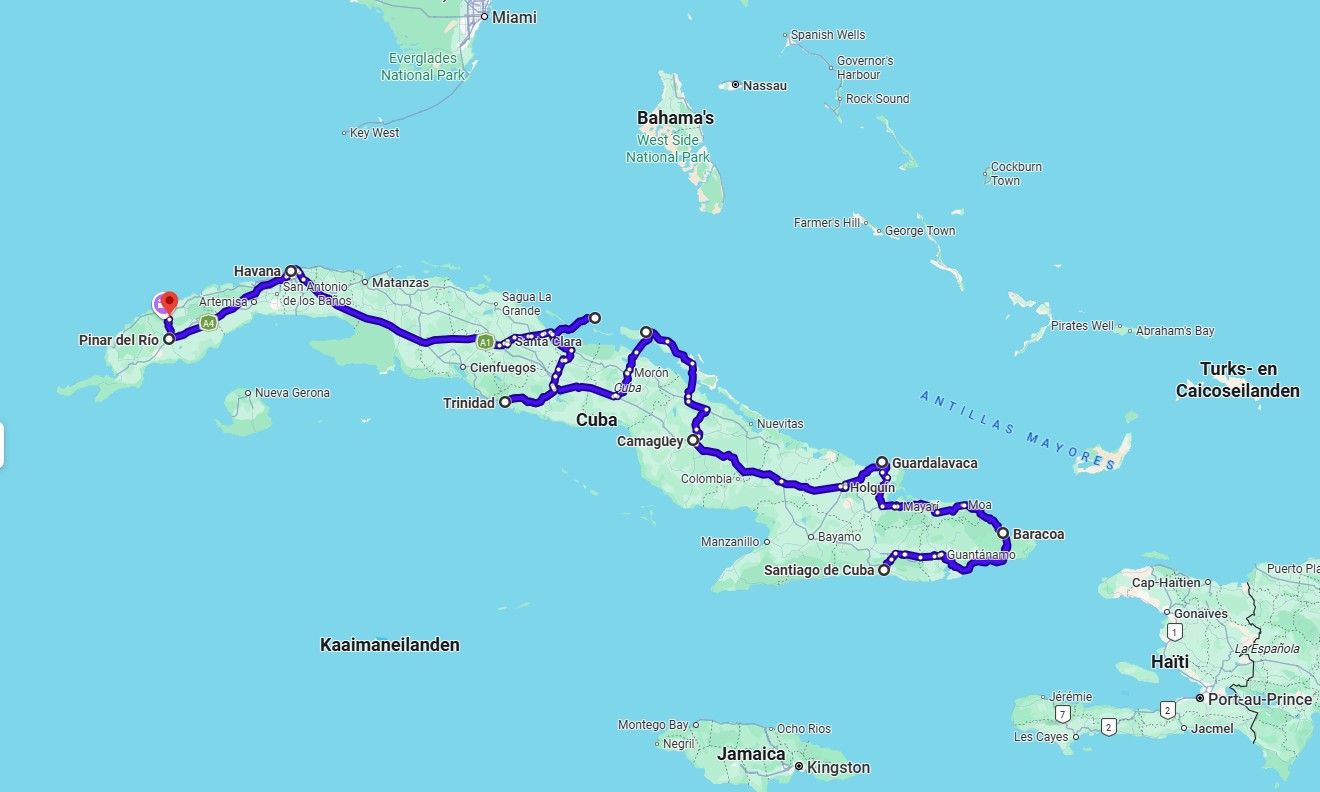
Streets are really empty, with people walking or cycling, and the cars that are there are generally old – some even attractions in their own right, see the photos above!
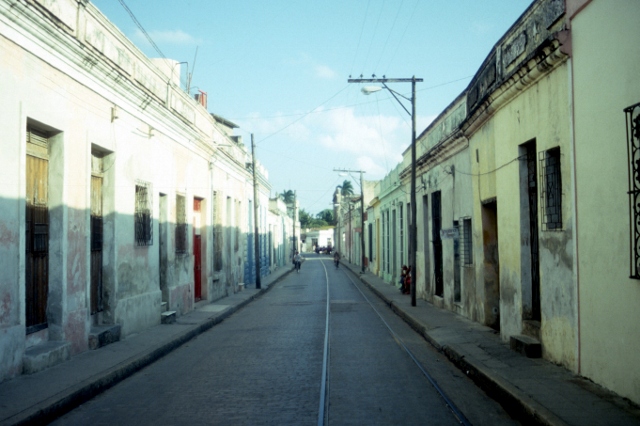
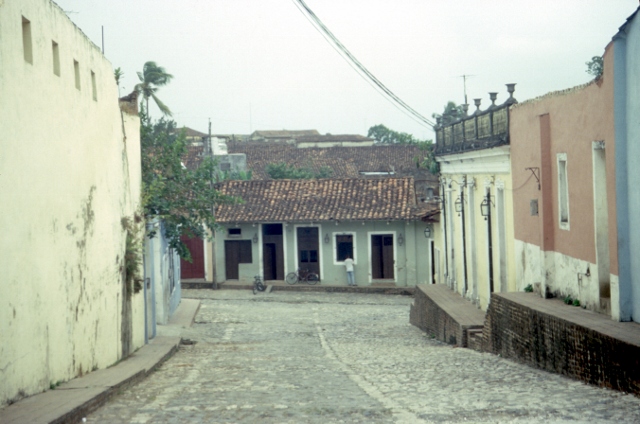
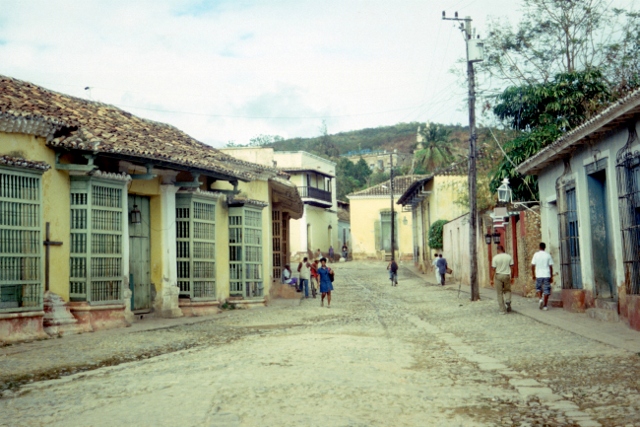
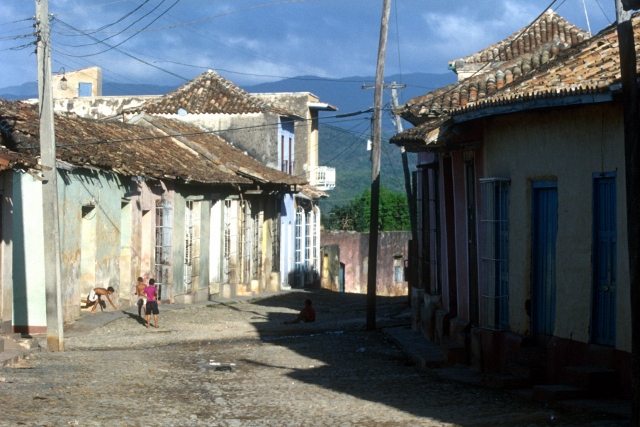
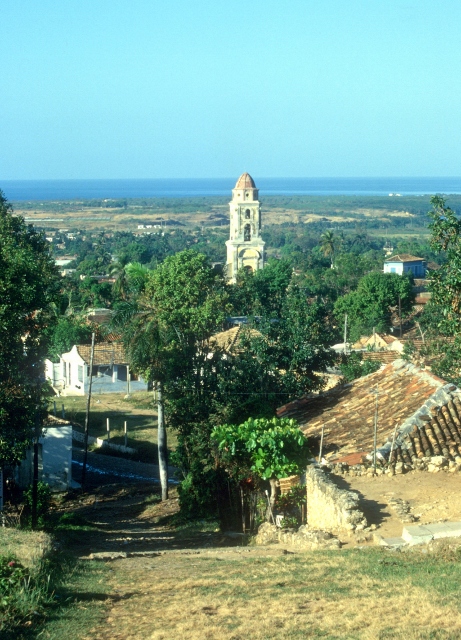
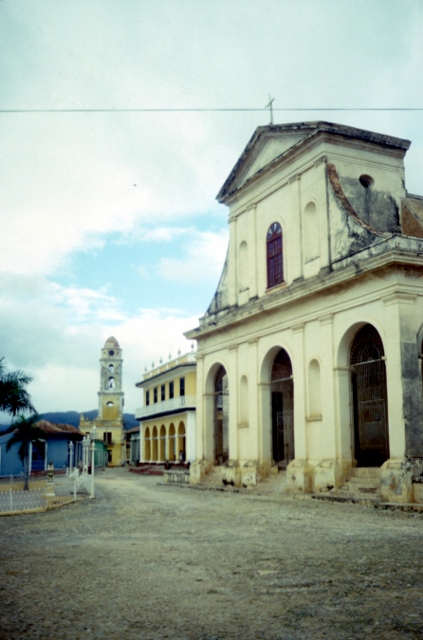
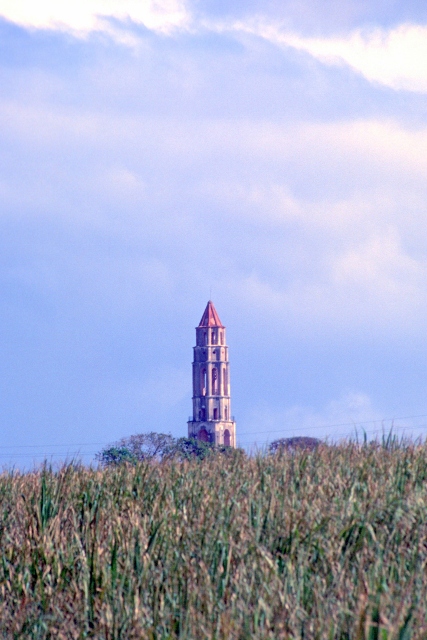
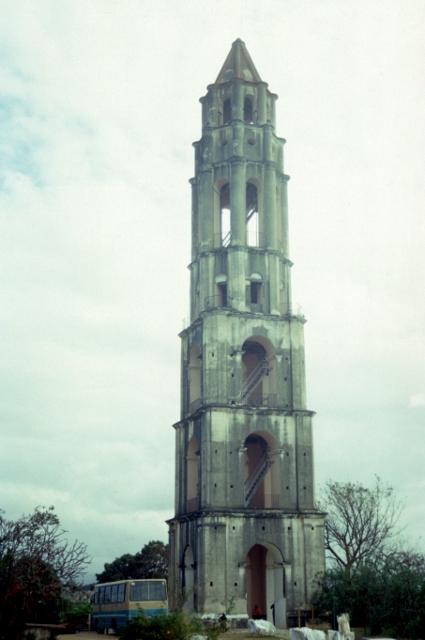
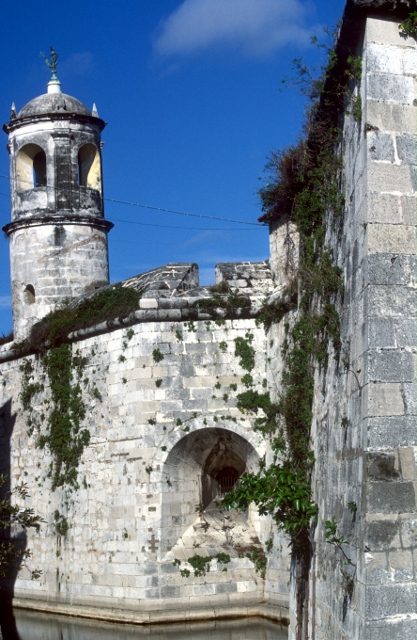
Next is Sancti Spiritus and Trinidad, and the sugar cane country. Especially Trinidad is a nice town, again empty streets, a bit rundown everything, but still attractive. Then over the mountains to Remedios, the base for a visit to the next series of Cayos, Cayo Las Brujas and Cayo Santa Maria, via a long causeway from the mainland. Lastly, to Havana, which is indeed something unique, especially the old town, Havana Vieja, which is nicely restored.
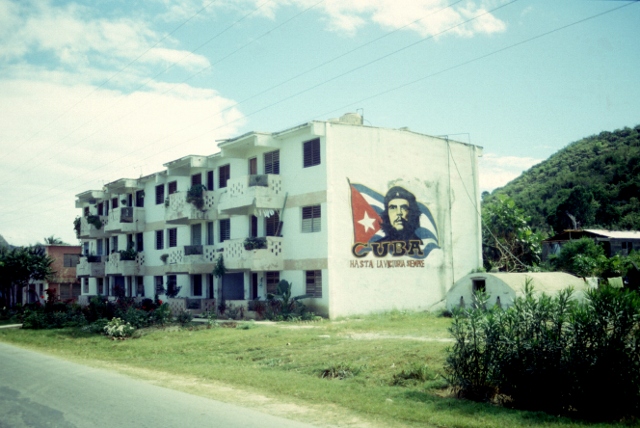
I have very few notes of the trip, and only scanned slides, which in the years before scanning already deteriorated, so the quality is mostly substandard. But it is a nice, if incomplete, testimony of Cuba 25 years ago, when a aging Fidel Castro was still alive, and we decided we had to see the country before his death, before everything would change dramatically. Which it didn’t, of course. The guy lived for another 15 years, and then his brother took over.
Cuban curiosities
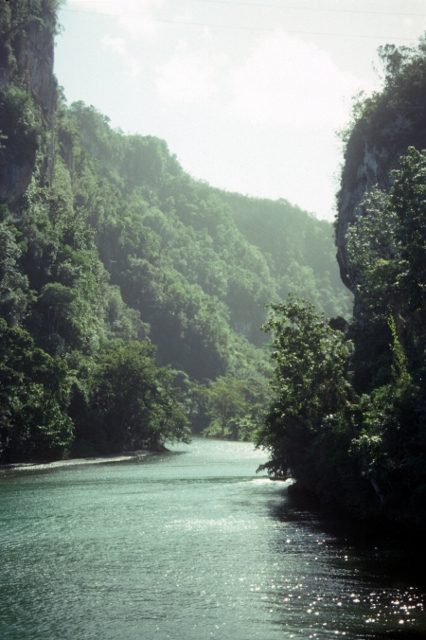
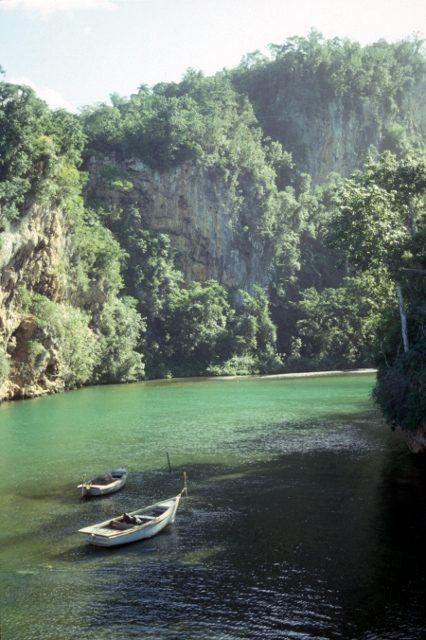
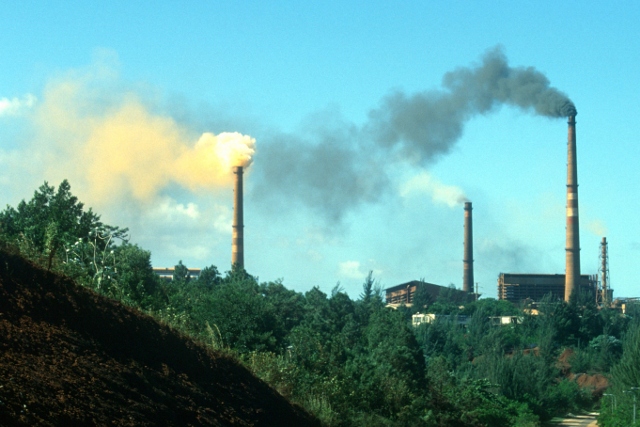
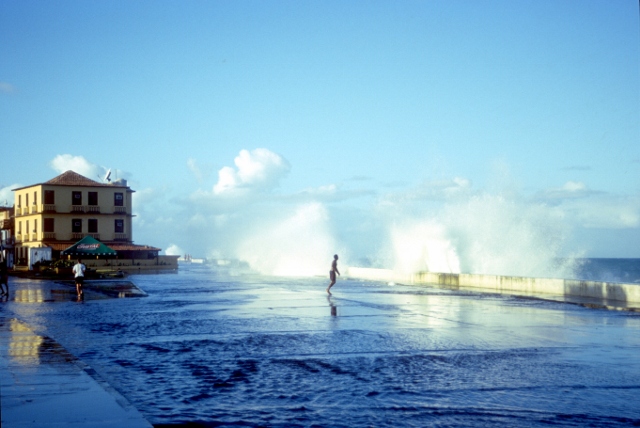
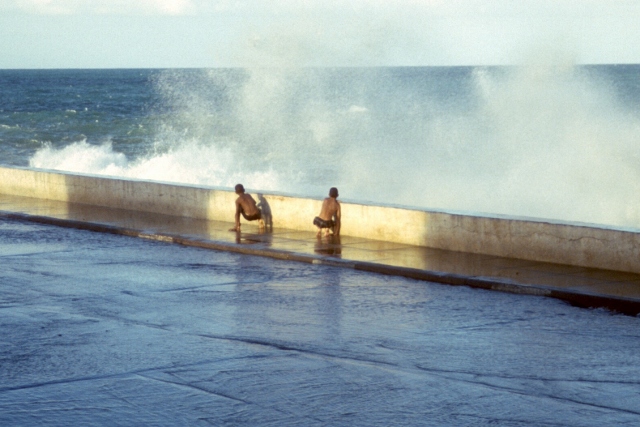
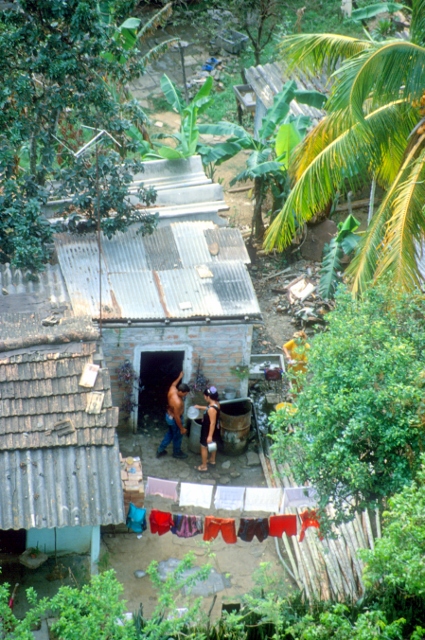
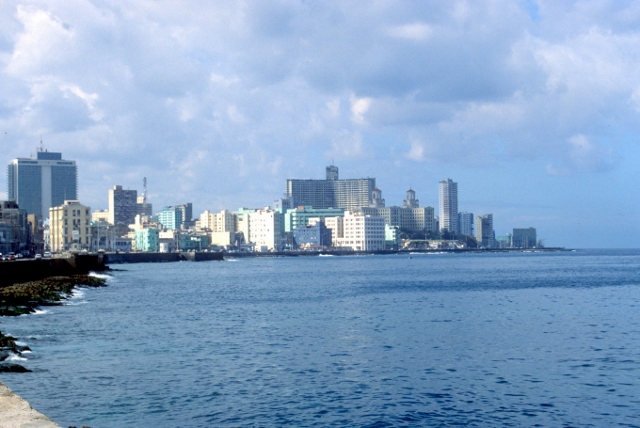
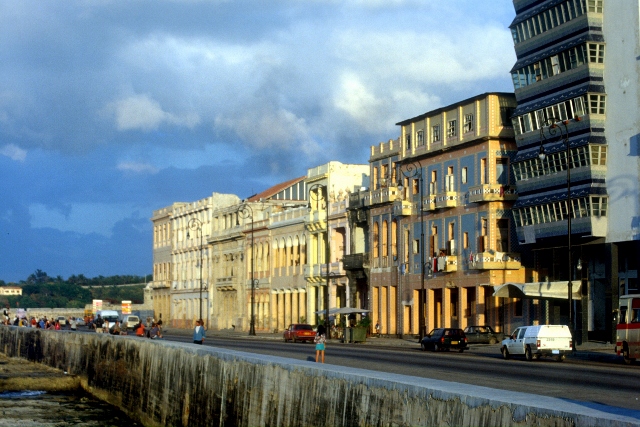
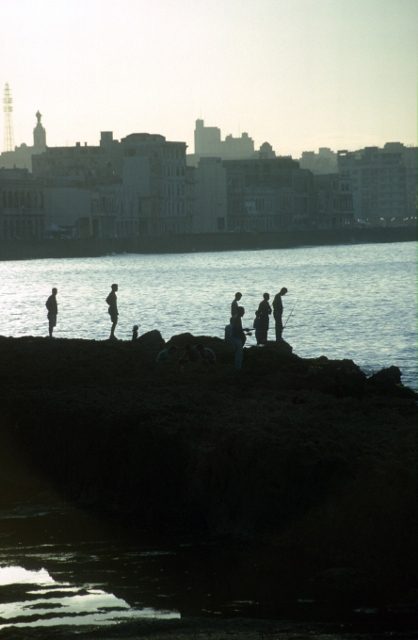
In Baracoa we were confronted with the first aspects of Cuban life: widespread poverty. Everybody wants to have something from the foreigner, from pens and soap to Sofia’s underpants. There is nothing for sale, only some articles in the Dollar-shops, which are accessible to Cubans as well, but mostly unaffordable. What is even more striking is the total absence of markets; there are no vegetables and fruits to be bought on the streets. The occasional old man who sells some brown bananas from a carton box tied onto his bicycle is the exception, and probably breaking the law. Outside town, local farmers try to sell cacao and coffee along the road, but all in secret, because this, too, is illegal in a communist country. They will tell you that, yes, they have a job, but in fact they have nothing to do for eight months of the year, they are only responsible for planting, and then harvesting sometime later. Other aspects of Cuban life? Idyllic little rivers, completely unspoilt, but also damping factories, heavily polluting the air and no doubt a lot more. And that quintessential Cuban thing, fun at the Malecon, the boulevard along the coast, fortified against the waves, which nevertheless splash over the boards onto the street.
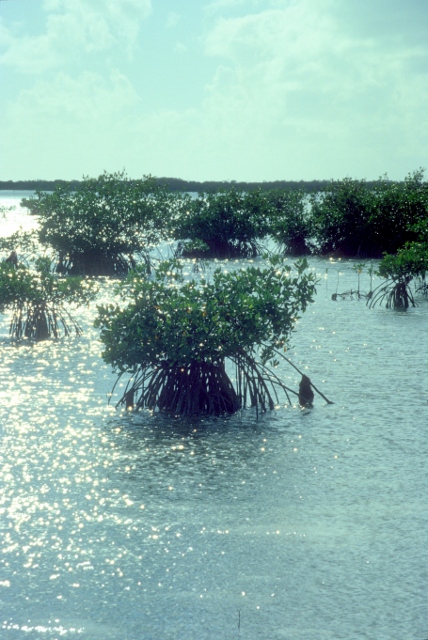
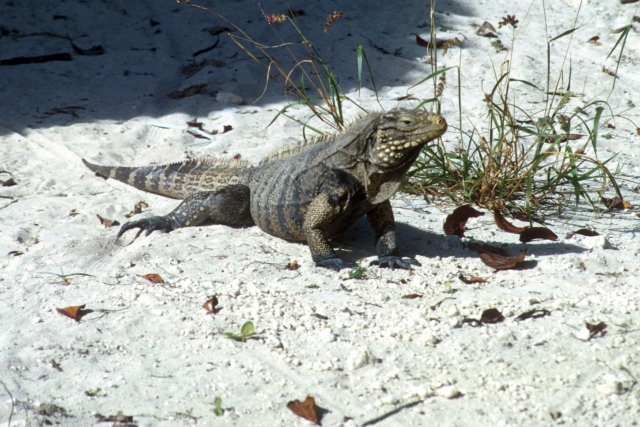
The beach resorts on the Cayos, the small islands along the north coast, are, well, quite nice of course, relatively modern hotels, no food shortage, nice beaches and warm seas. The low-lying islands are on the far end of some mangrove systems, and have formed from a combination of coral rocks and sand. They are reached by long causeways that connect the cayos with the mainland, or Cuba proper. To enter, you will have to show your passport, to ensure that the Cubans are excluded. Neo-apartheid! The reason to exclude Cubans is the prostitution; many Cubans, men and women, will offer themselves rather aggressively to foreigners, in the hope of earning some foreign currency. So much for the revolution, then. (This situation was rectified in 2008, when Raul Castro lifted these restrictions.)
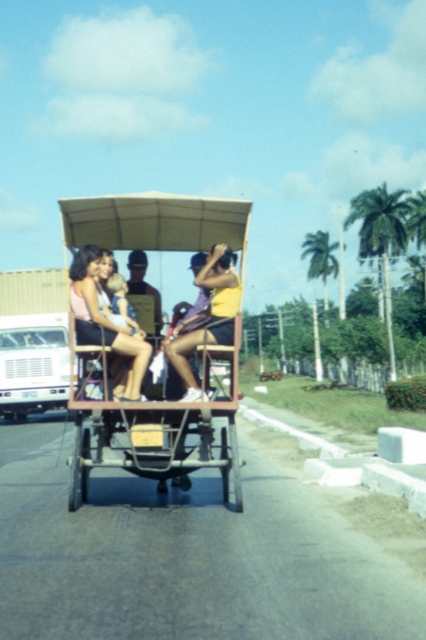
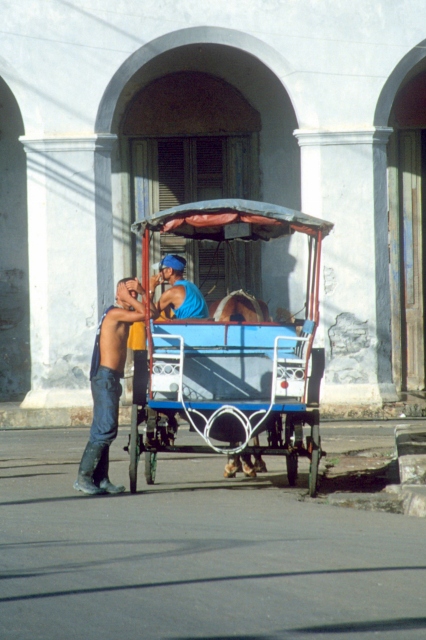
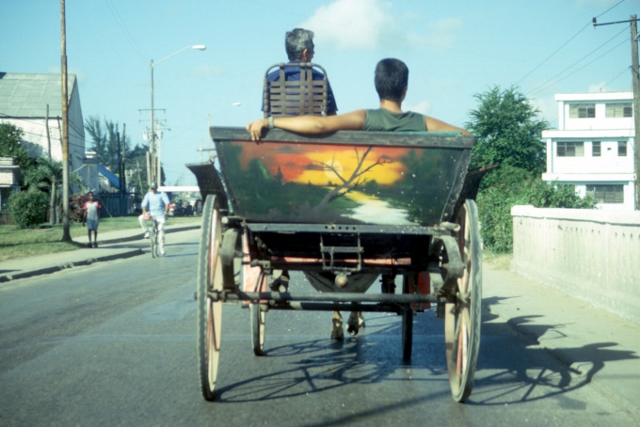
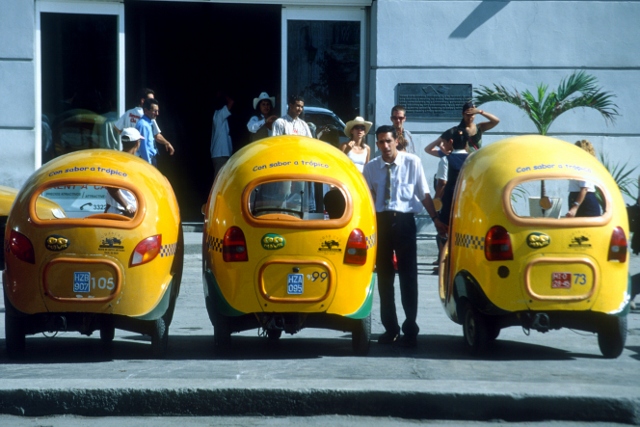
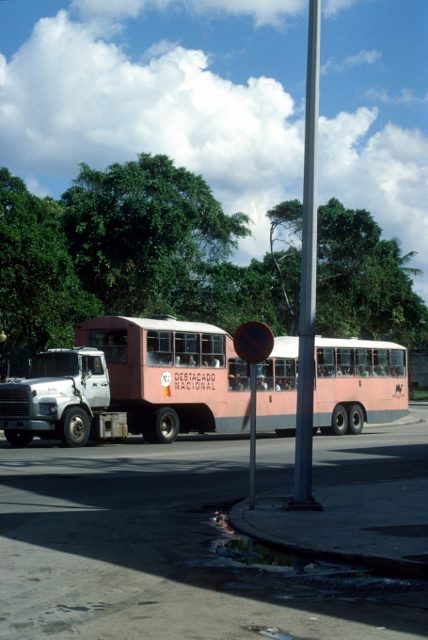
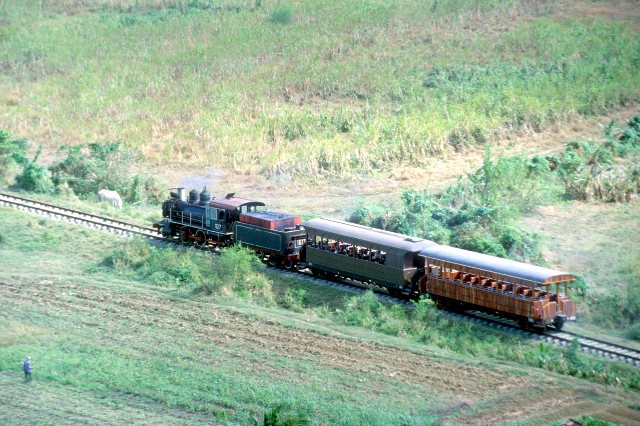
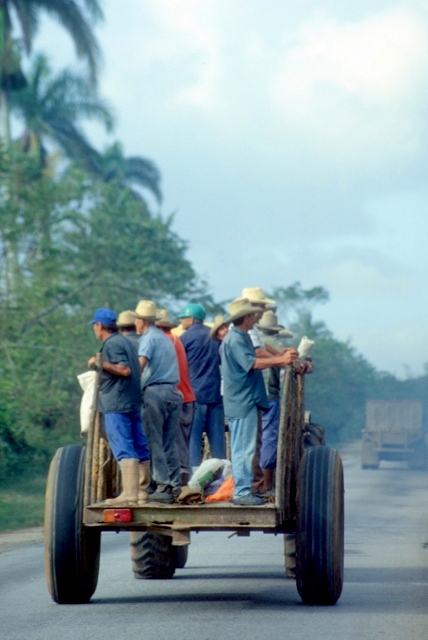
Public transport is another Cuban curiosity. In the countryside people mostly use horse-drawn carts, either as collective transport, a type of mini-bus, or, for the slightly wealthier, as private coach, say, a taxi. In Havana, the densest population centre, the lack of busses during the economic crisis in the 1990s led to the construction of the ‘Camello’ bus (camel). The truck is pulling a flatbed trailer onto which a construction made of two old busses, joined together is mounted. Oh, and the trains, especially in sugar country, were still using steam engines in the early 2000s!
Havana
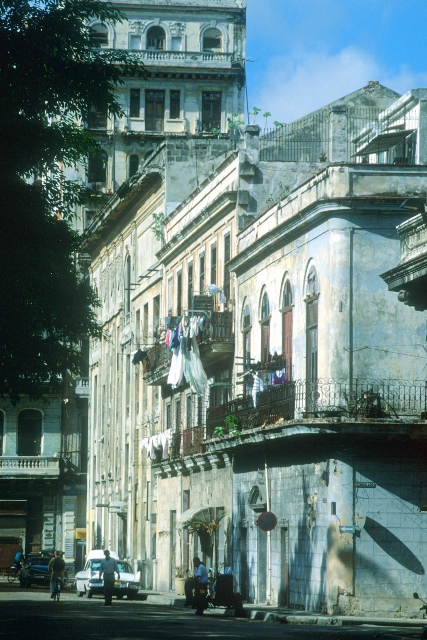
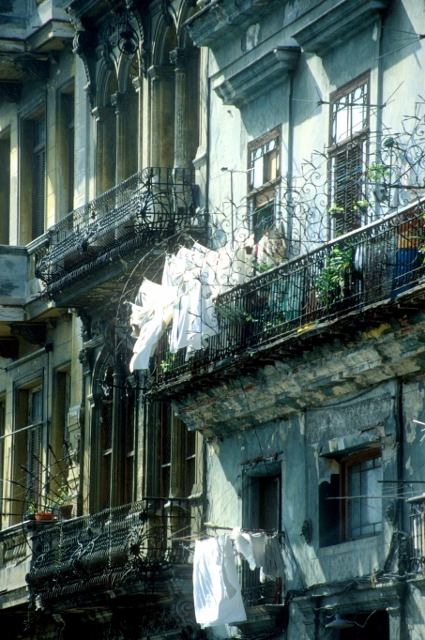
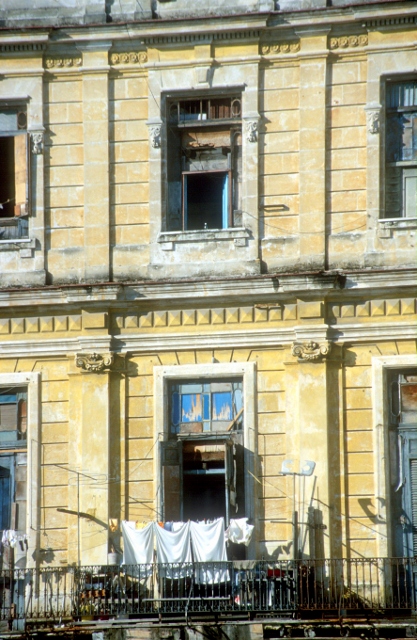
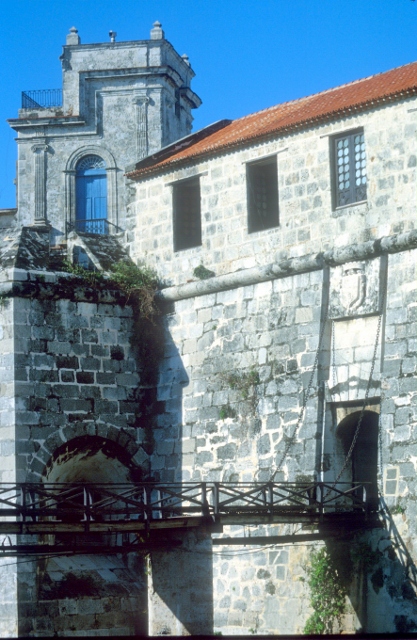
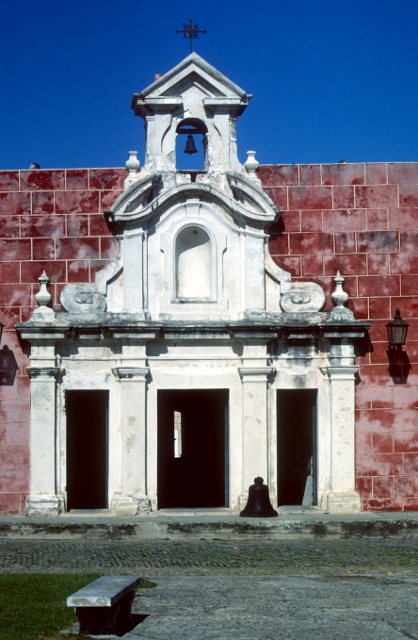
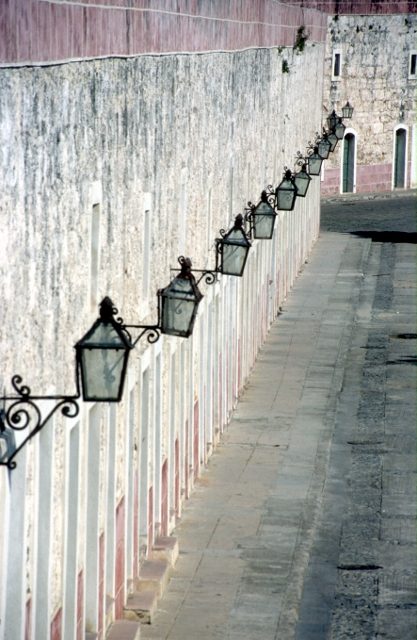
The old centre, Havana Vieja, is mostly nicely restored. However, in neighbouring barrios it becomes clear how Havana Vieja would have looked if it had not been declared an UNESCO World Heritage site: run-down.
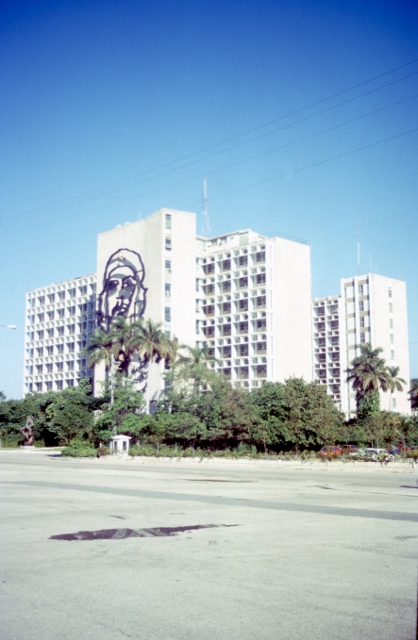
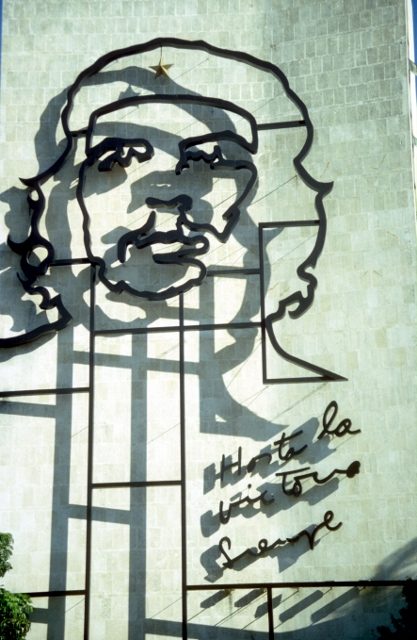
The people are not particularly friendly, whether waiters and bar tenders in café’s, who have no intention of speeding up the service – or delivering service in the first place -, or street vendors, who aggressively try to sell everything you could possibly want from Cuba, like cigars, rum and other goodies, no doubt stolen from their employers in one way or another. The most honest sellers are those who offer themselves: “you want to have sex?” No matter that my wife stands next to me.
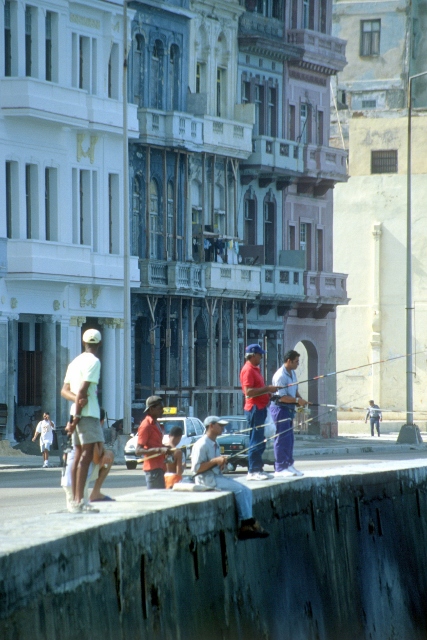
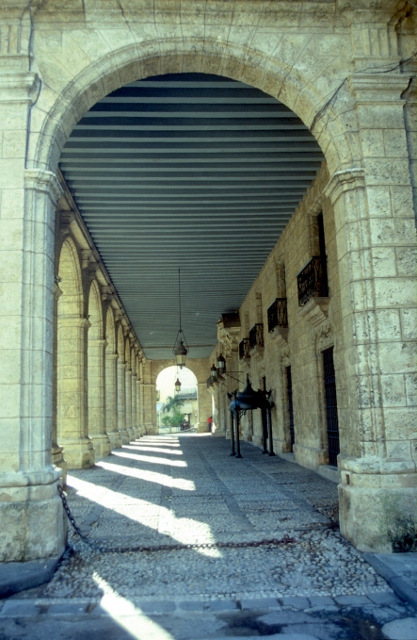
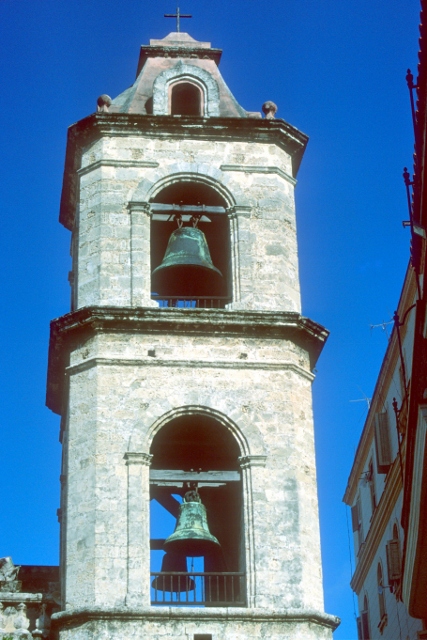
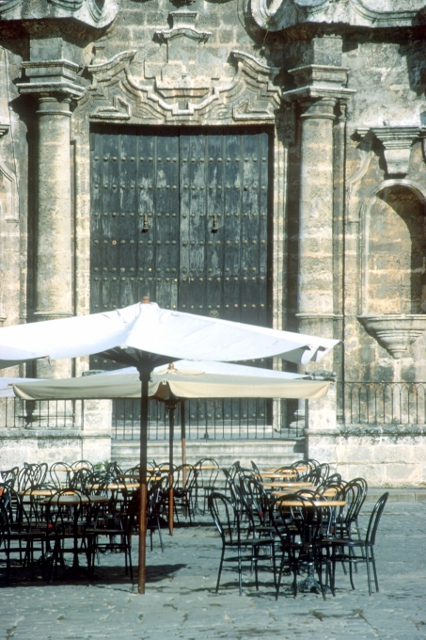
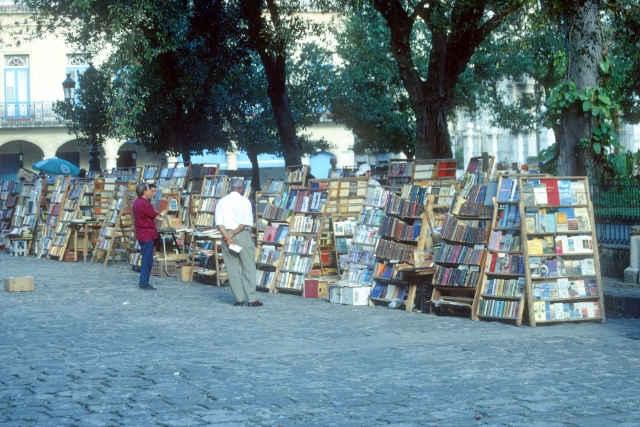
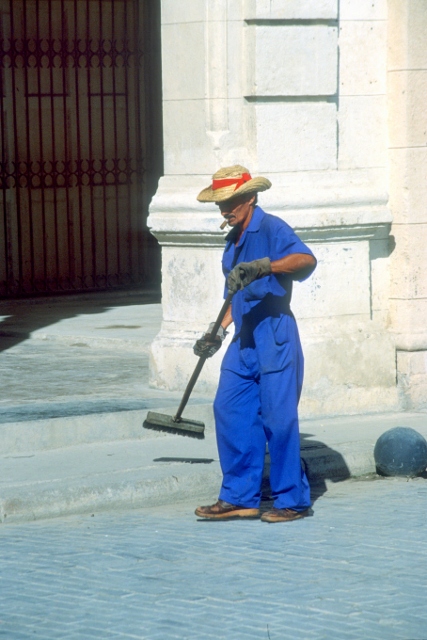

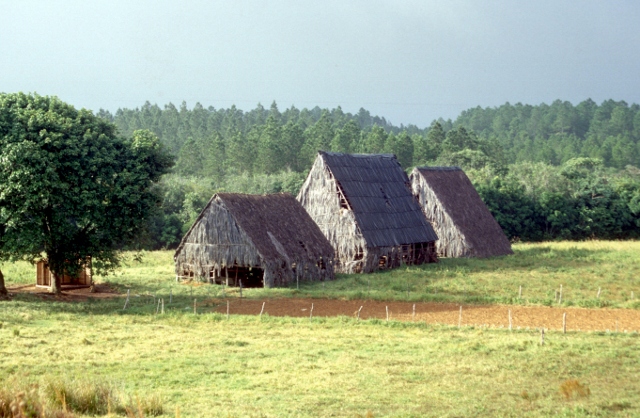
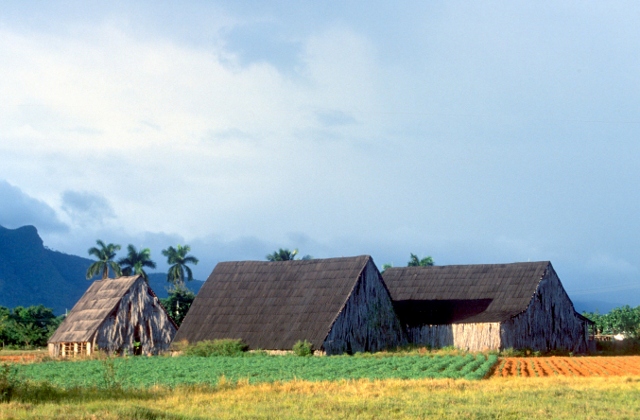
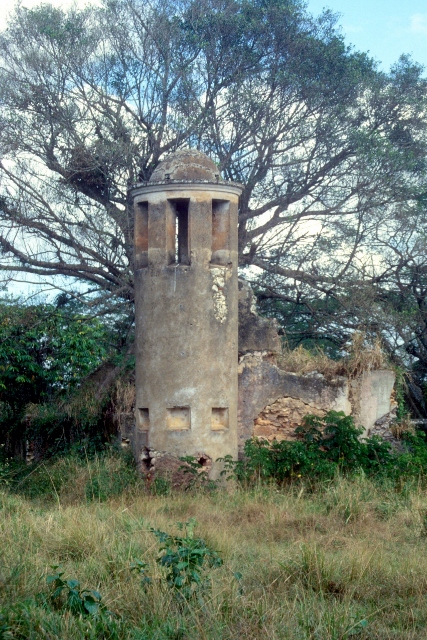
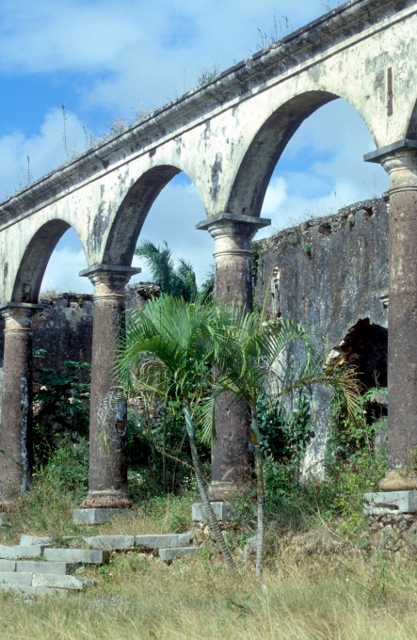
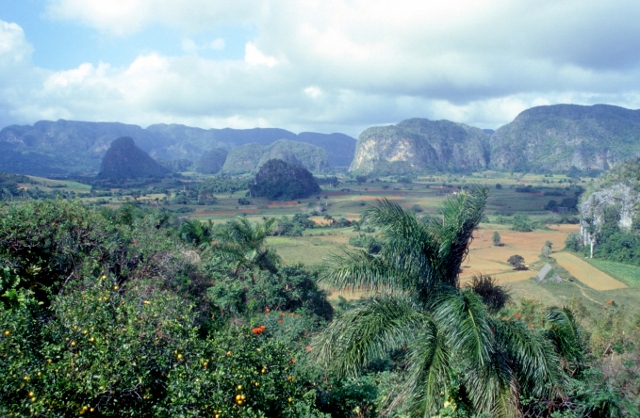
West of Havana we spent some time in the area of Pinar del Rio and the Vinales Valley, with truly dramatic karst landscape. This is tobacco country; we come across an old plantation, Cafetal Angarona, which was one of the largest plantations in the west of Cuba at the beginning of the 19th C. The countryside is full of the typical wooden storage houses all along the roads.
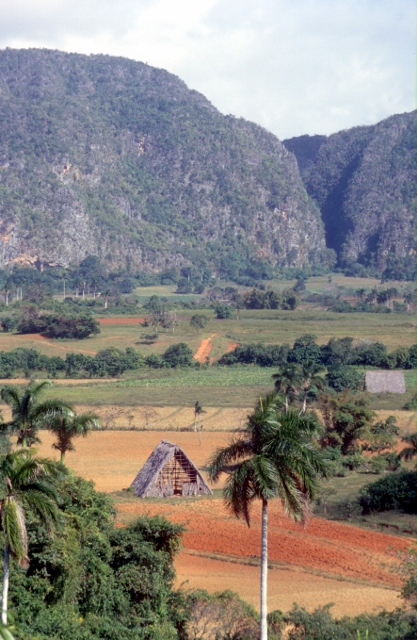
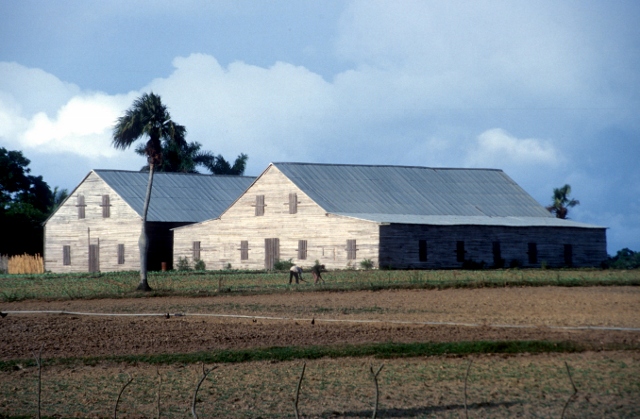
We head back to Havana, and via Santiago de Cuba fly back to Haiti. What to make of two weeks Cuba? The most poignant observation comes from a Haitian woman, who we met at the airport. She had been to Cuba for medical treatment, and was equally shocked by the poverty, the lack of food, lack of markets, and especially the lack of joie de vivre, notwithstanding the ‘achievements’ of the revolution. Her assessment: “Nous avons aussi de la pauvreté en Haïti, mais c’est notre pauvreté”. Quite so.