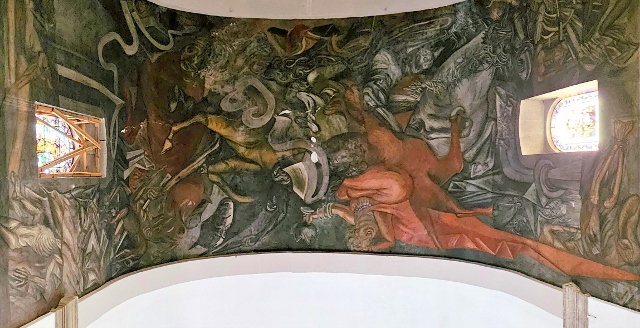
Time for an intermezzo.
Hernan Cortes defeated the Aztec emperor Moctezuma in 1521, and was subsequently appointed governor on behalf of Spain, from then on the colonial power for the next three hundred years. Spanish success was relative: thousands of churches were constructed, hundreds of towns built. But at the beginning of the 19th century the population of Mexico was 6 million, down from 25 million or more at the time the Spanish arrived. European diseases did their work, but also a brutal form of slavery. The vicious circle that, because of high mortality, the work had to be done by less people, who were then even more exploited, and died earlier, which left even less workers, didn’t help. The Spaniards didn’t do any work themselves, of course, and neither did the small group of ‘hacenderos’ and mine owners, leading to an ever growing inequality.
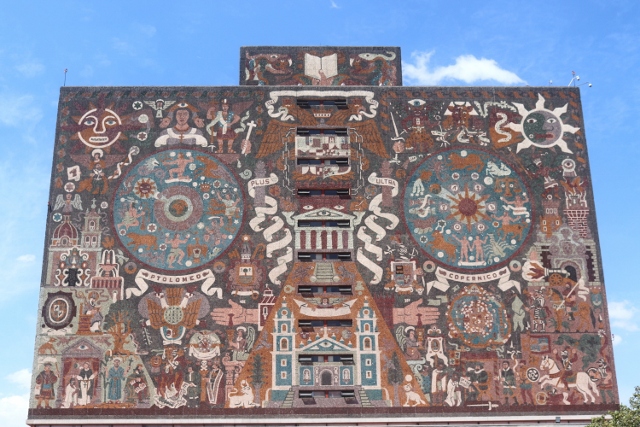
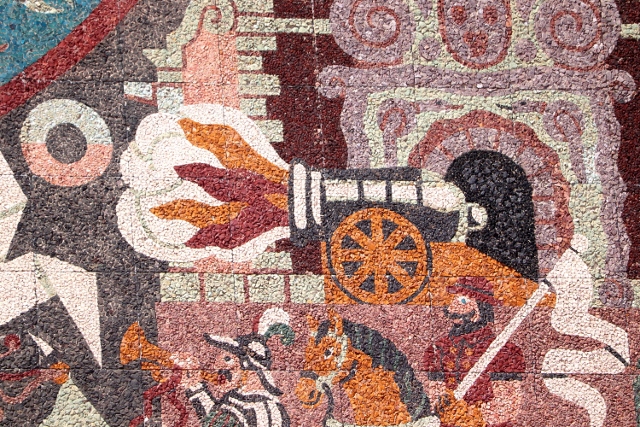
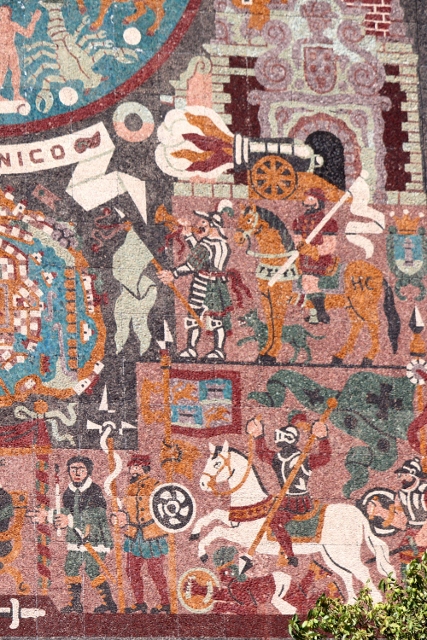
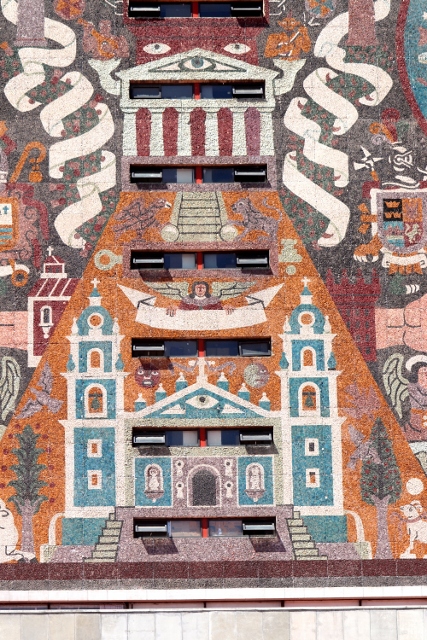
The decline of Spain in the world, and especially the French invasion of Spain at the beginning of the 19th century, ignited rebellion in Mexico, but it took until 1821 for Mexico to gain its independence. Yet, this didn’t bring any real social changes, of course, as a small group of elite grabbed power, squandered territory – Texas declared its independence from Mexico – and was forced into wars with the USA, and with France, which invaded Veracruz in 1838, and again in 1861 (with Spain and Great Britain), trying to recoup the debt payments that Mexico had suspended. They even installed an Emperor, Maximillian, who, however was defeated six years later, and executed by firing squad. To be succeeded by a series of local, totally incompetent semi-democratically elected rulers, and some dictators, which didn’t do much to reduce inequality; on the contrary, the owners of large haciendas grew rich from the forced labour of landless peasants.
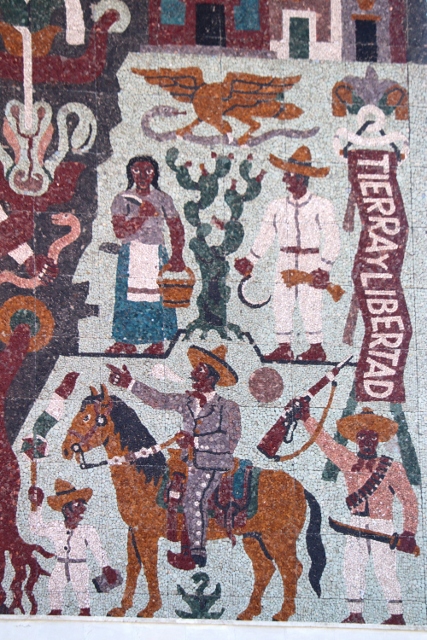
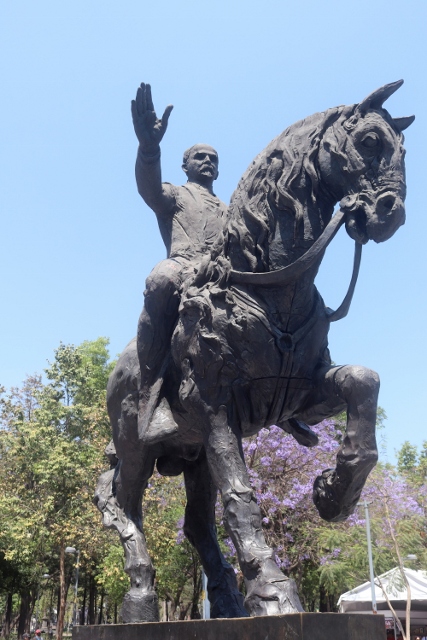
Fast-forward to the beginning of the 20th Century, and revolution. Initially from Francisco Madero, representing the young educated classes, who got support from the likes of Pancho Villa, a bandit with his own guerilla army, and Emiliano Zapata, who organised the indigenous people into an army. Yet it took until the 1920s and 30s for the revolution to stabilise Mexico, with democratic elections, and a relative peace. The PRI was formed, which subsequently went on to rule Mexico until well in the 1990s, but which also redistributed land, created peasant and workers organisations to promote their interests, and nationalised the oil industry, perhaps the single-most important step in creating Mexico’s local industry base.
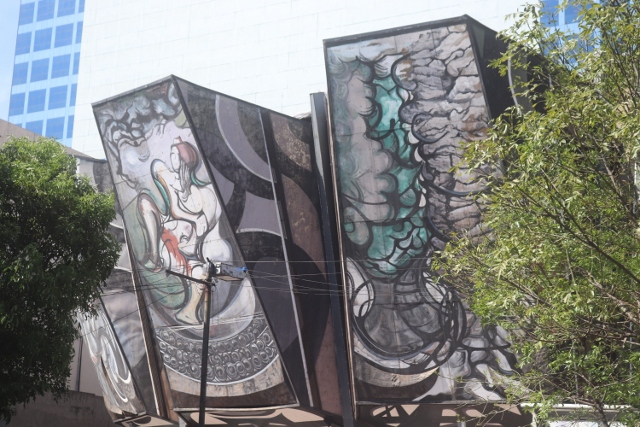
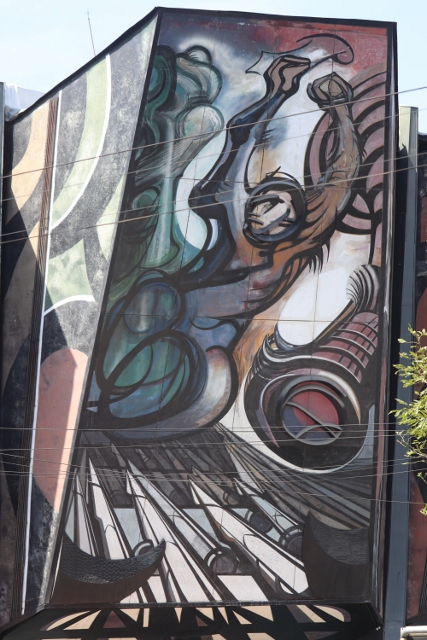
Anyhow, a long story – although in truth Mexico’s history is, obviously, far longer and much more complex than sketched here – a long story, to introduce a typical Mexican phenomenon, large murals. It was this revolution that created the space for the great Mexican muralists, of which Diego Rivera is perhaps the best known, and Jose Clement Orosco the most productive. The masses counted for the first time, but the masses were still illiterate. And thus the murals served to educate the masses; popular themes were elements of Mexican history, for instance, painted often in bright colours, often with caricatural figures, on the inside of courtyards of public buildings.
And, obviously, there is no other place in the world than Mexico to admire these murals. Which is what we came to do in Mexico City (although you already got a taste of this from Merida, of course).