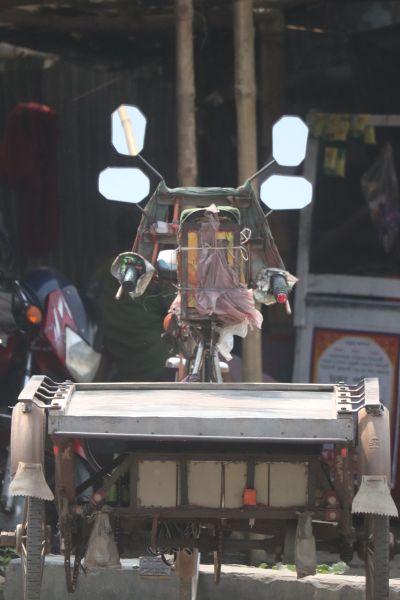
in Bangladesh (and their users)
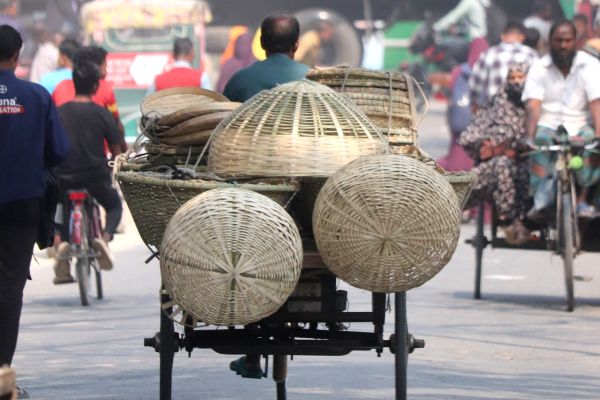
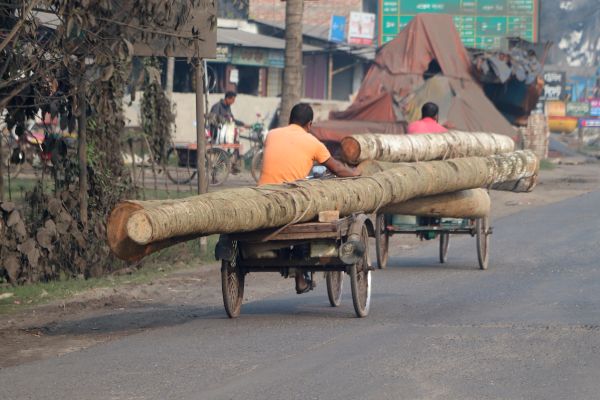
I already described some of the driving experience in Dhaka, or rather, the non-driving, mostly creeping forward experience. Much of the congestion, I have decided after observing, comes from the range of vehicles being used. If you allow hand-drawn carts on the road, at least part of the traffic, trapped behind the cart, will be going at walking speed. Or they try to overtake, on the left or the right, and thus infringe on the progress in the neighbouring lane.
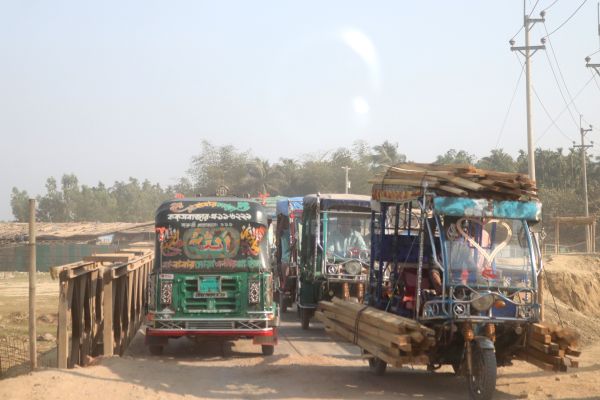
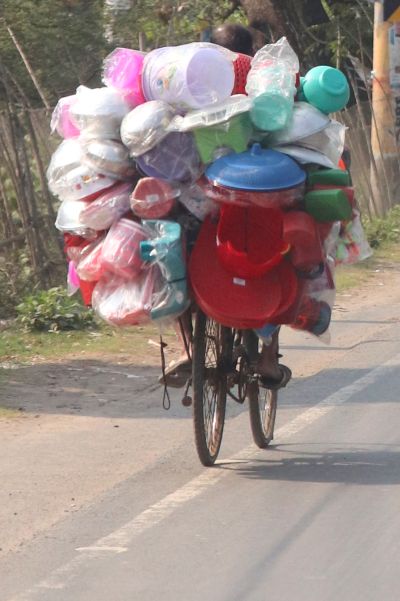
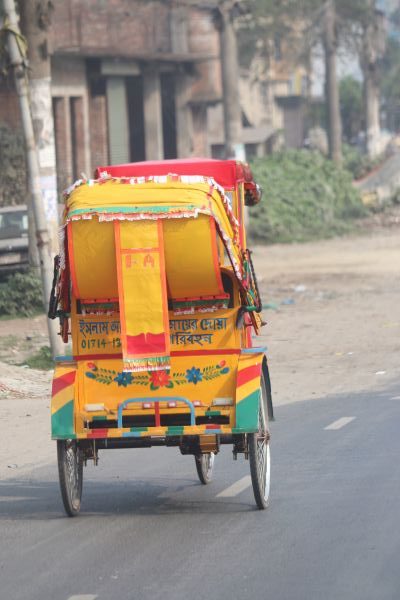
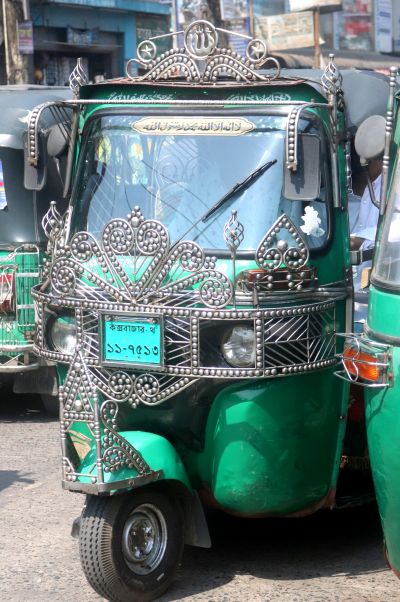
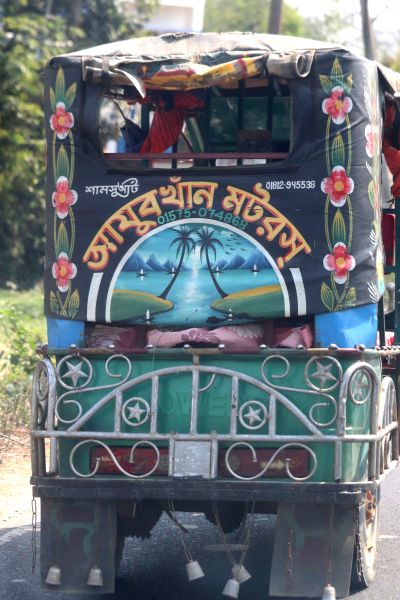
On rural roads this is not different, except that there is usually less space; there is only so much room for vehicles next to each other on a two-lane road. The hierarchy in rural traffic is crystal clear: busses go first, in fact they just go, with little regard for other road users. Trucks follow closely, but most are just a little smaller than the busses, mostly two-axle trucks only, and no trailers, that would be impossible to manage. And then come the saloon cars, the SUVs and the minivans of which there are actually not that many. But as soon as the traffic slows, it is the tuk-tuks and rickshaws and motorbikes that squeeze themselves in between everything else, and each other – as the traffic slows, they are invariably with more, many more, than the cars. That this process occasionally involves a minor collision, the sacrifice of a mirror, or a scrape by, is something everybody seems to accept. And is evident from every car you see, invariably dented and scratched.
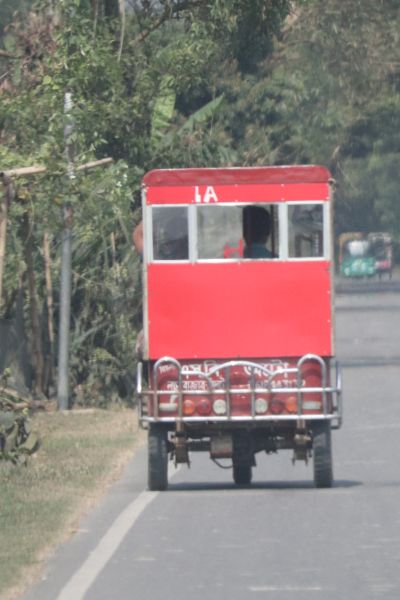
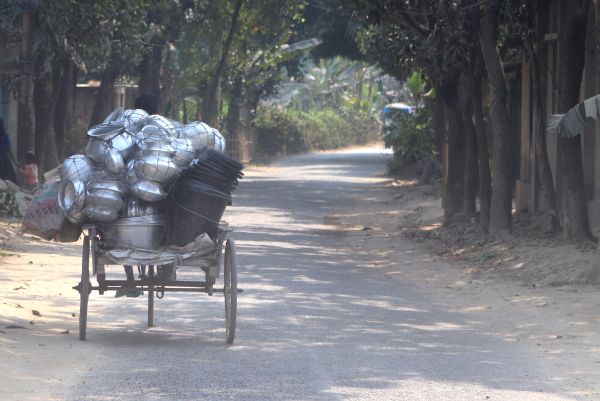
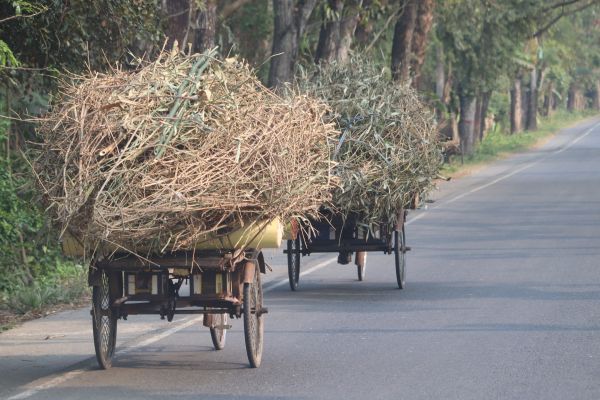
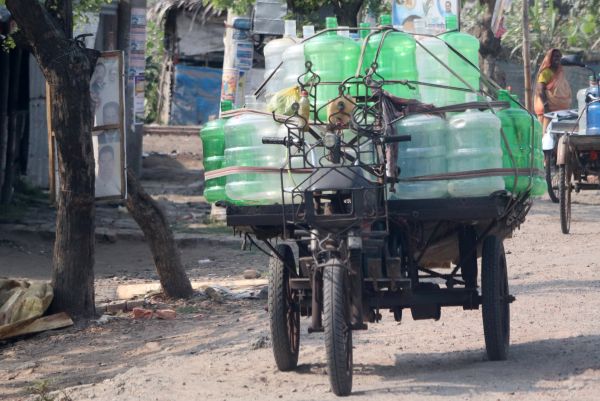
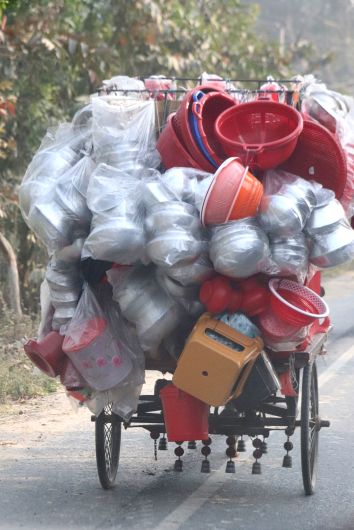
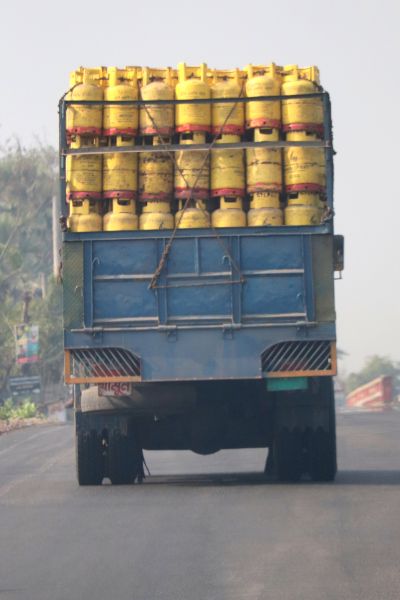
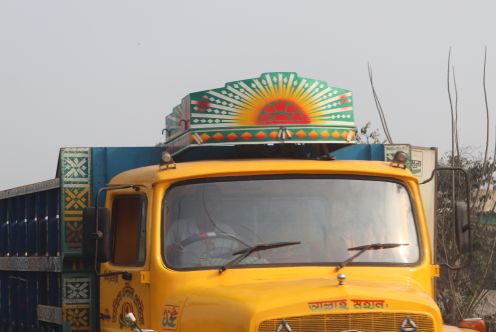
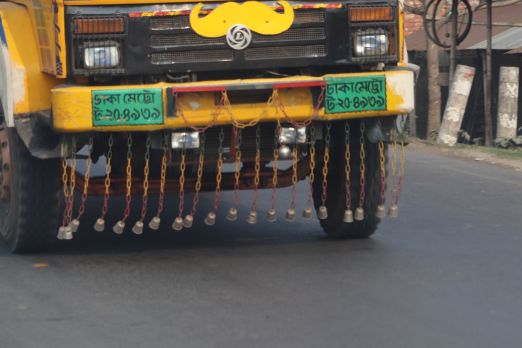
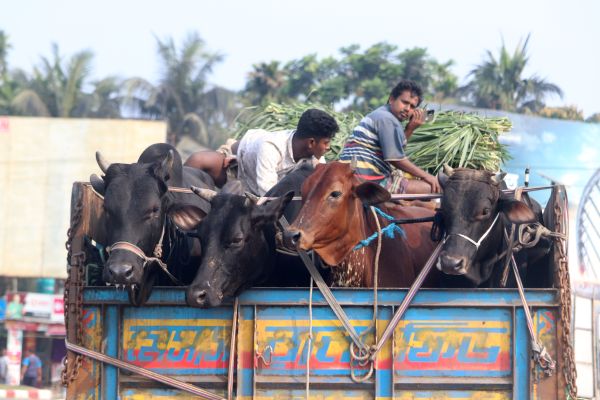
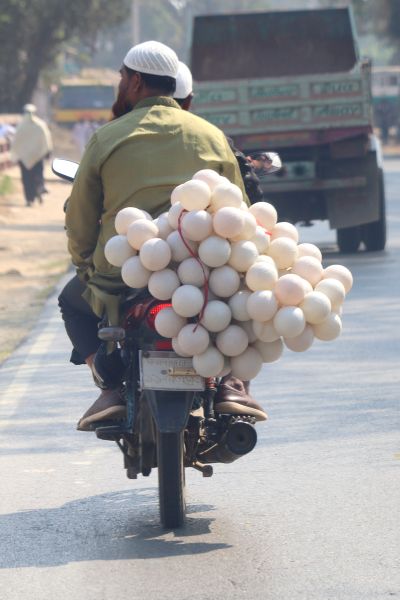
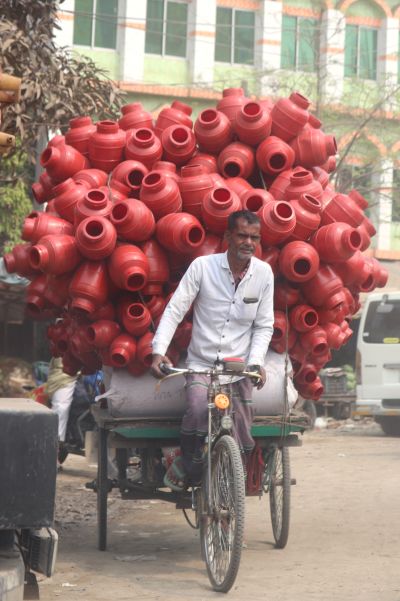
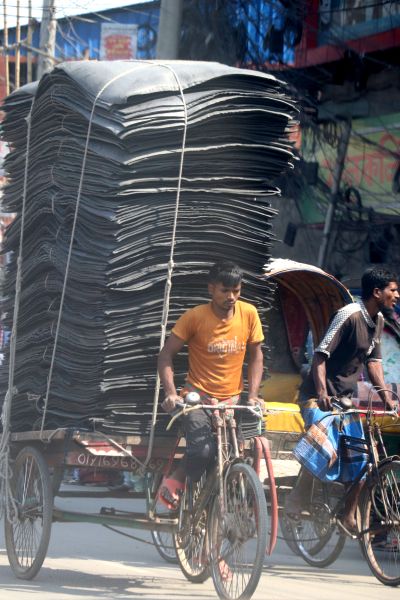
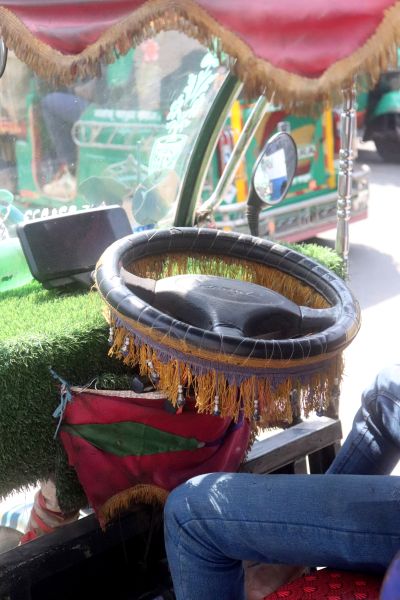
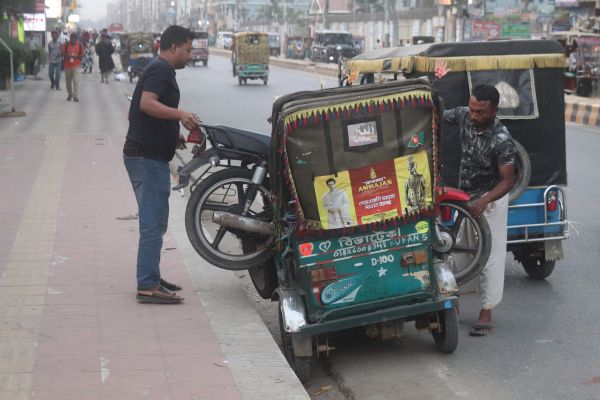
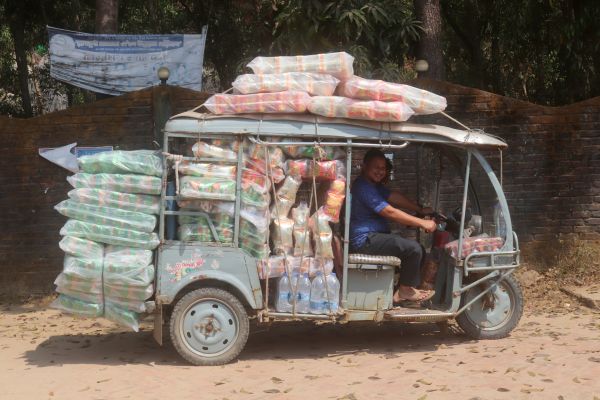
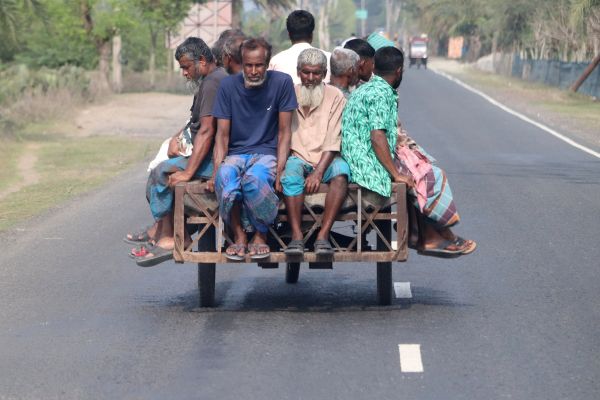
Most of the time it is entertaining to watch the traffic unfold. Occasionally, and especially at night, and in the passenger seat in the front, is it terrifying. But my occasionally securing the front seat does give me the opportunity to picture some of those road users, of which I have made a small (sic) selection.
next: the road to the border

Loved it! The text and the photos : )
Great set of photos Bruno 👍
It was a great time with you sir. I was very much proud to be a guide with you.
Thanks for visiting Bangladesh
Wonderful and heart-warming collection of working people who struggle daily for small incoms