So far, the Serbian country side has not been very enchanting. But south of Novi Sad is Fruska Gore, a hilly national park with a few peaks, of over 500 m even, and an attractive forest. And not only that! Fruska Gore is also home to no less than 16 monasteries, a bit like the Mount Athos of Serbia. Add several wineries to the equation, and we cannot go wrong, exploring this region.
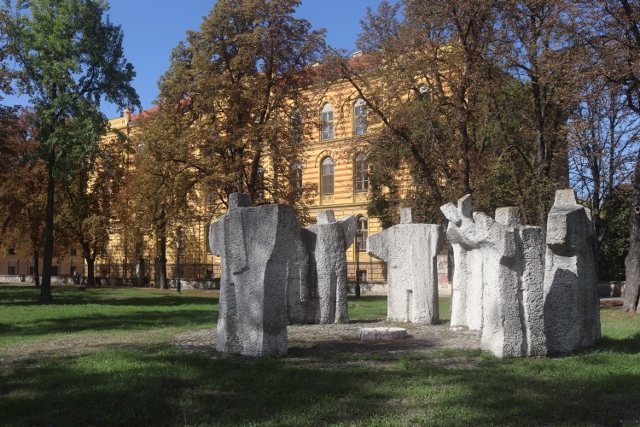

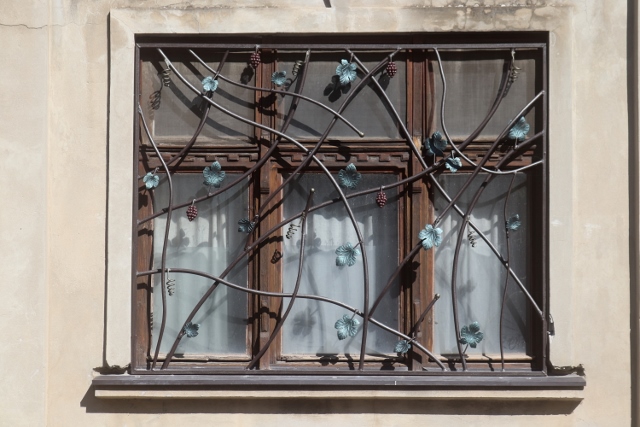
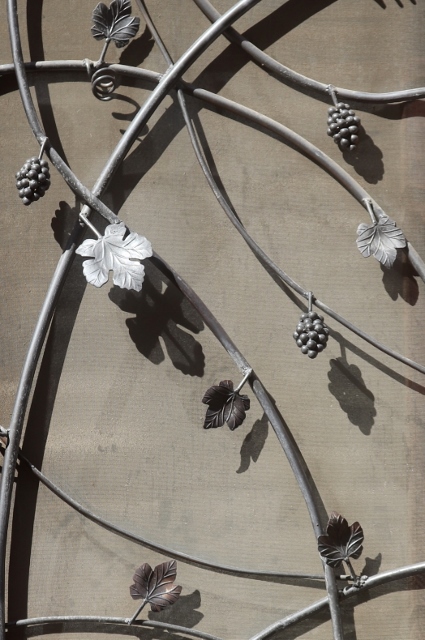

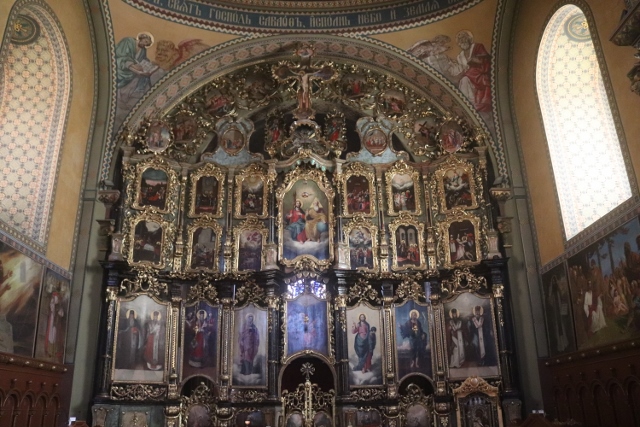
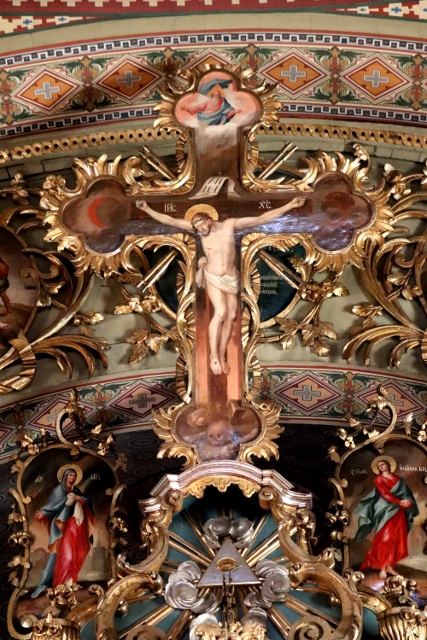
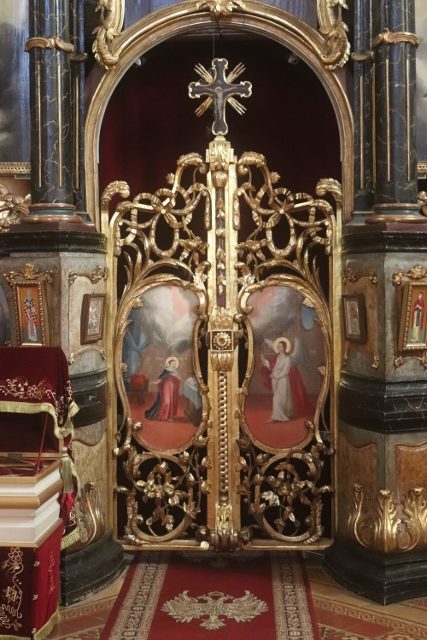
We start at Sremski Karlovci, a picturesque little town close to the banks of the Dunav, which used the be the seat of the Serbian Orthodox Patriarch during the Habsburg era. Despite the market with local products that is being set up, there is not a lot to do in town, apart from a walk around, and a peep-in in the local church, the 18th C Church of Holy Father Nicolai. Which supports a fabulous iconostasis; almost as nice as the one in the small and slightly older Church of Saint Peter and Paul, a little further down.


The Monasteries
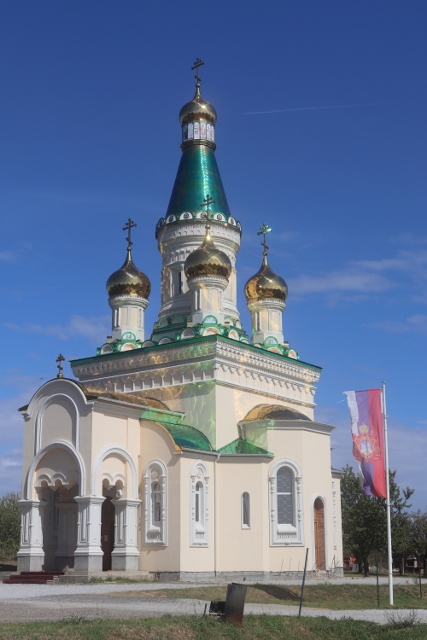
It is unlikely that we are going to see all 16 monasteries; we have to make a choice. One that sports the work of some of the most famous Serbian icon painters warrants a visit, so we start with the Grgeteg Monastery. It was founded in 1471, and then deserted again in the 17th C. Renovation started in the 18th C, with the construction of the present-day church, which is decorated with extensive frescoes, too perfect to be really old, I think. The iconostasis, for which the church is especially well known, is a relatively recent addition, in 1902.
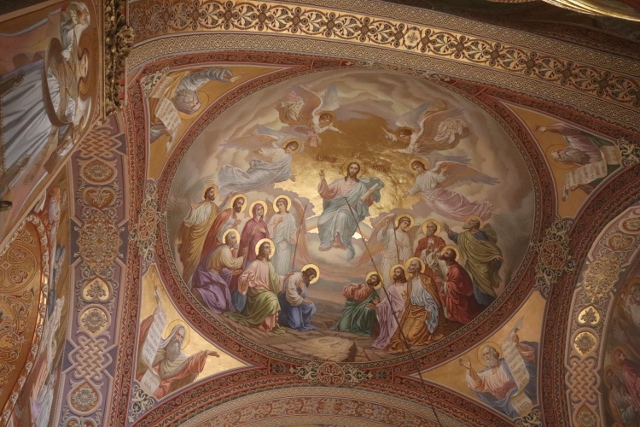
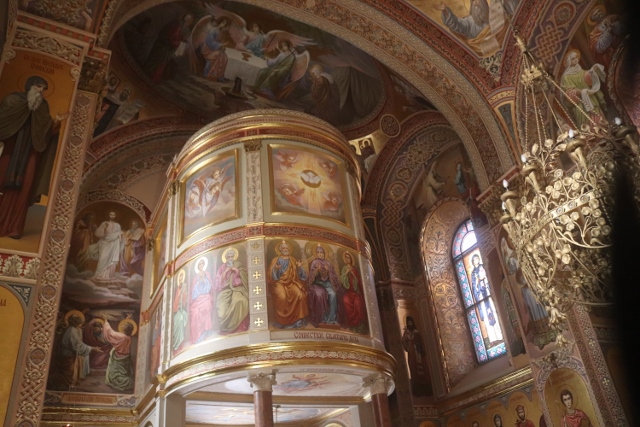

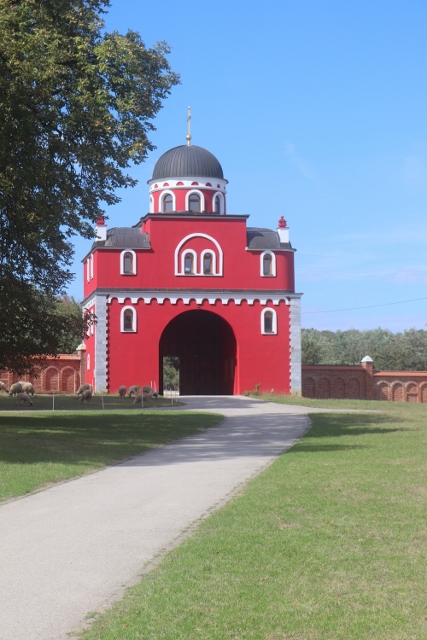
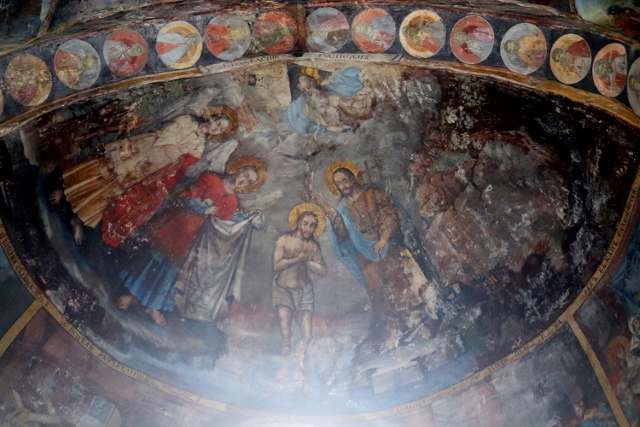
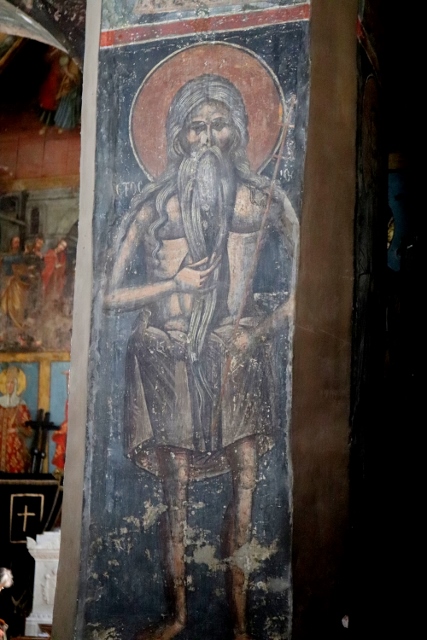
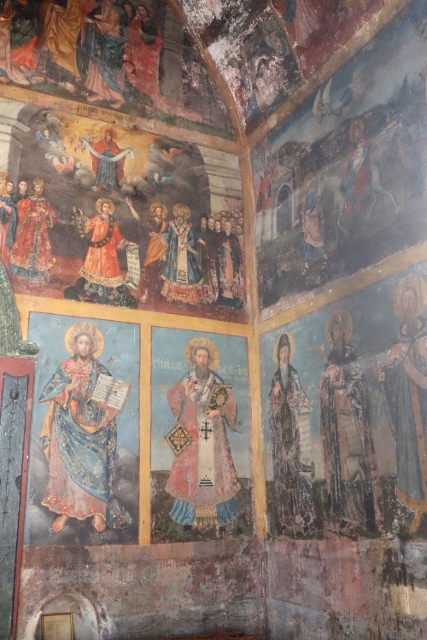
Much nicer, in fact, was the Krusedol Monastery, founded a little later at the beginning of the 16th C, burned down by the Ottomans on their retreat around 1718, and looted once again – but not burned – during WWII. Yet, several restorations later the inside of the church is still beautifully decorated with frescoes, some the original ones of 1545, but painted over in the 18th C. It somehow has a much more authentic feeling than the Grgeteg monastery. Quite a few important historical figures have been buried in the church, as well. There are a few more exaples of the frescoes here.

After the monasteries we explored the area a little further, including its picnic places. Oh, and before I forget, we did finally get to a winery, as well!