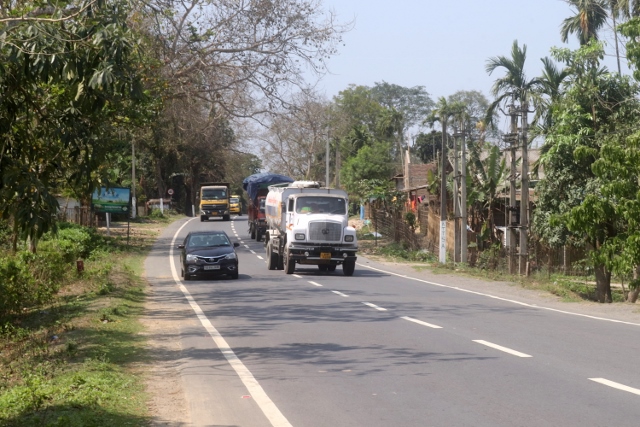
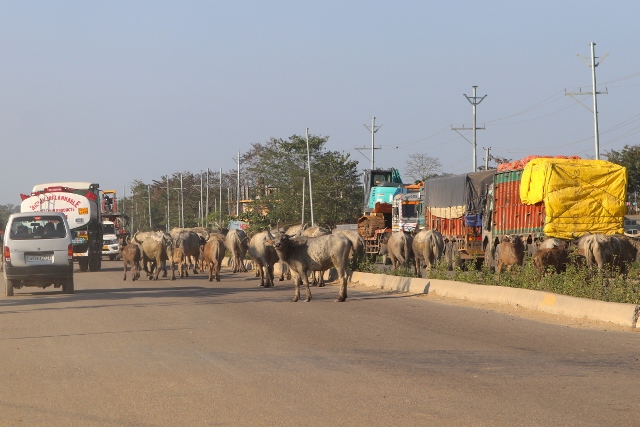
We backtrack from Kaziranga east again, along the Assam Trunk Road. In places this is a two-lane road – which, as so often in India, is being used as three-lane, at least, and with involvement of motorbikes and tuktuk easily four-lane. In other places it is a proper four-lane motorway, with separation in the middle. Which means that motorbikes and tuktuks, and even the occasional car, come straight at you, against the traffic, if they only need to move a short distance. There is no speeding here, far too dangerous, because you also need to negotiate road space with the many cows that freely roam around, and why not?, on the formal or informal four-lane highway.
The Temple
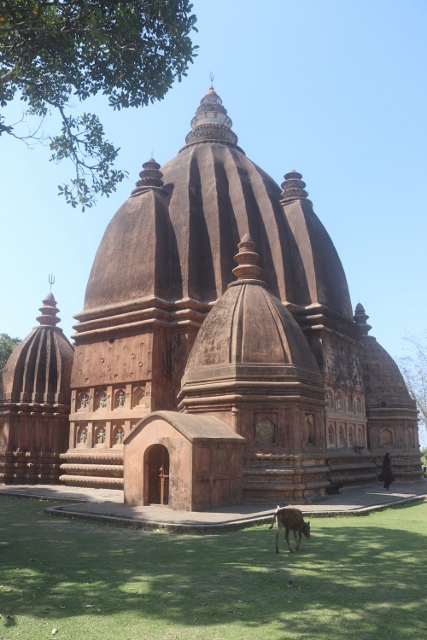
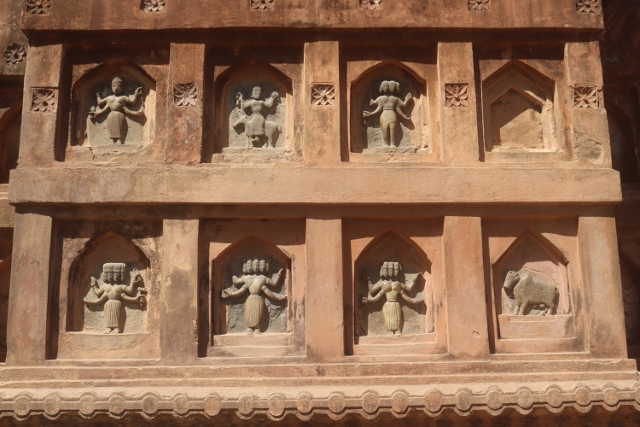
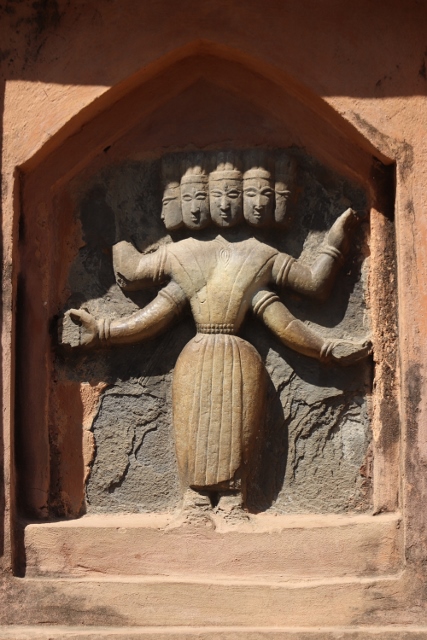
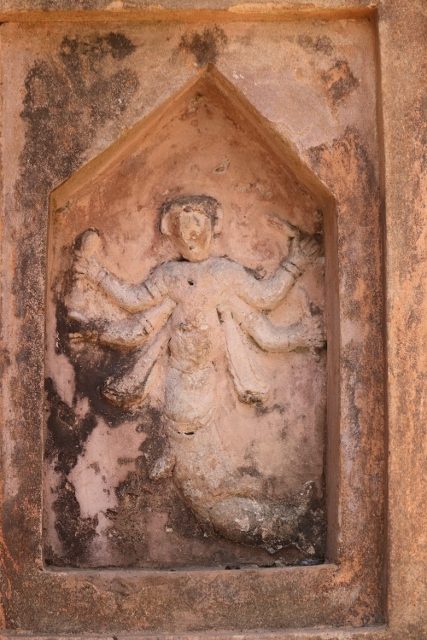
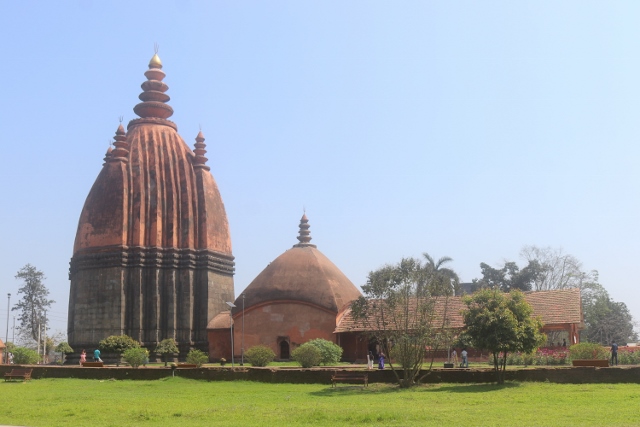
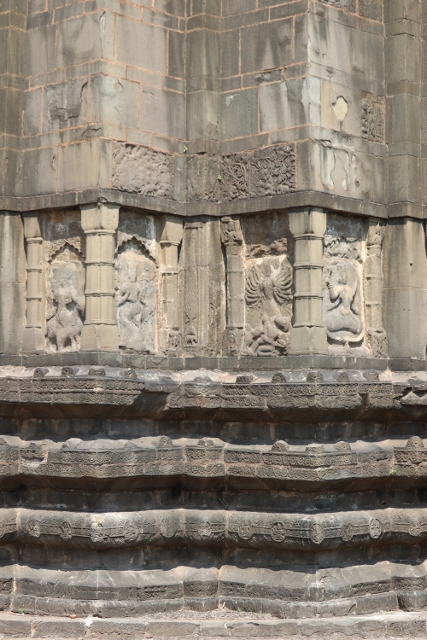
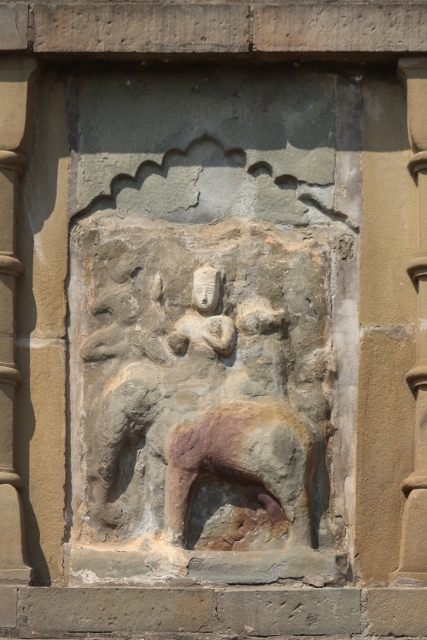
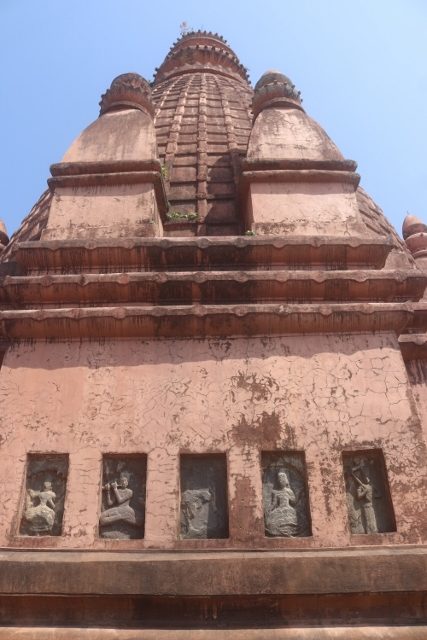
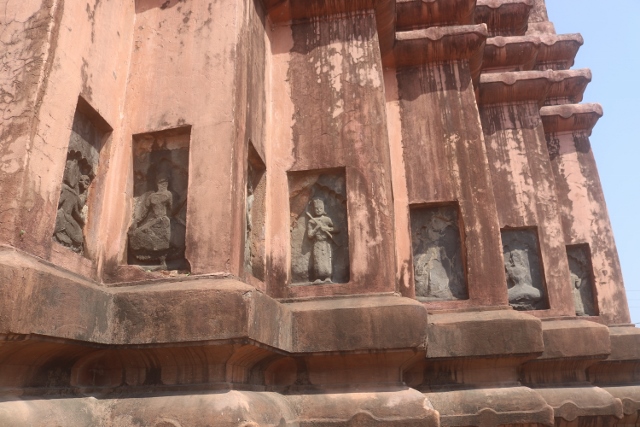
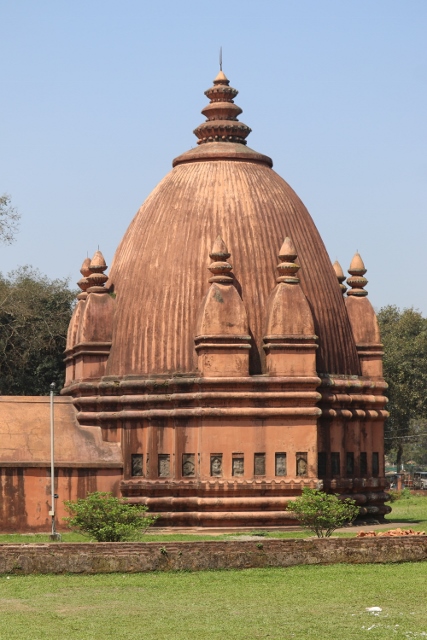
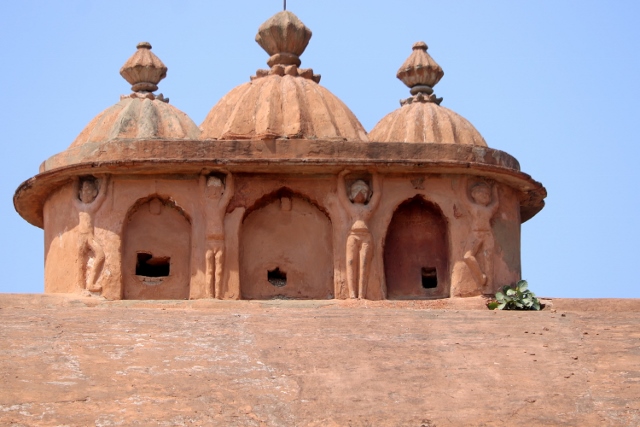
Forty kms east of Numaligarh, in the village of Negheriting, is the Sivadol temple. We are in Ahom territory here. The Ahom people, who arrived from South China in the 13th C, ruled the Brahmaputra Valley from their arrival to 1826, after which the British annexed the area. The temple here is a typical example of Ahom construction, a tall cupola sitting on a square base, of which the outer walls have been decorated with various deities. Some of the reliefs have been restored, it looks, others seem original, and mostly heavily weathered. But it is nevertheless a fabulous temple. Although there was a temple here on site probably from the 8th or 9th C onwards, the current structure was built by one of the Ahom kings in 1765. The main temple, dedicated to Lord Shiva, is surrounded by four adjacent, smaller temples.
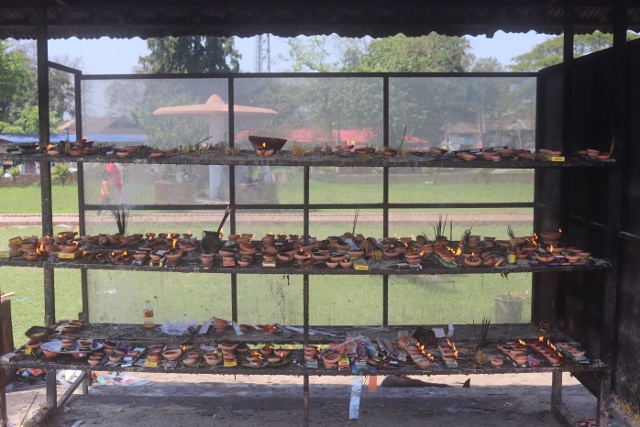
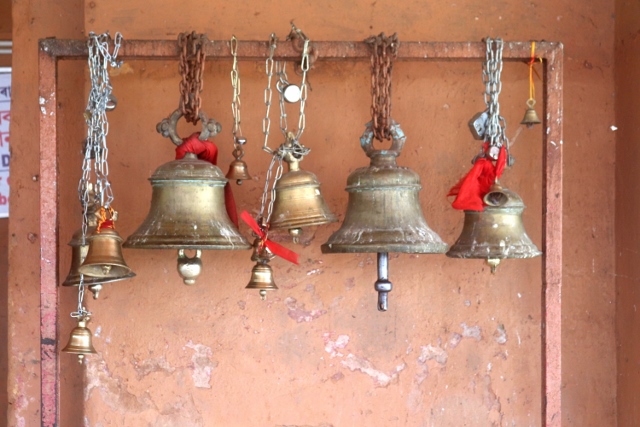
The Temple Complex
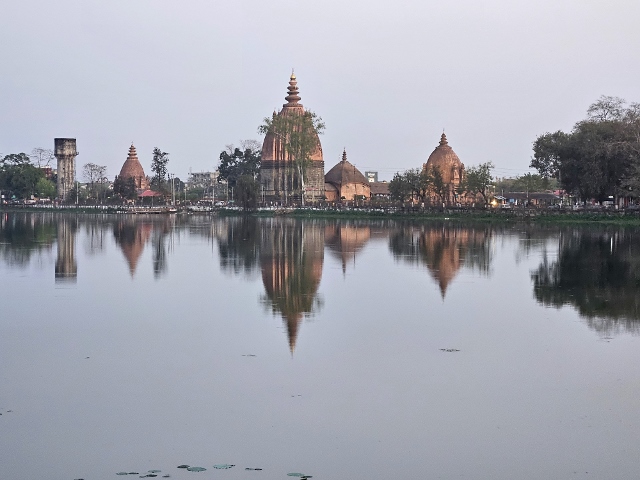
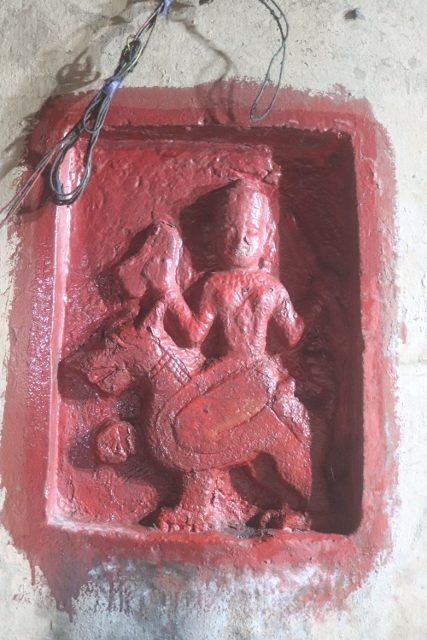
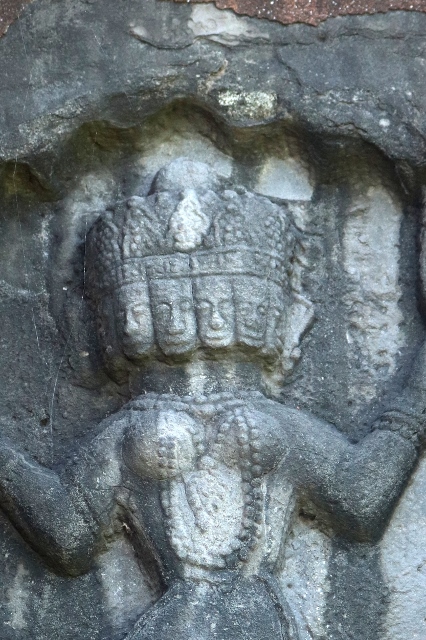
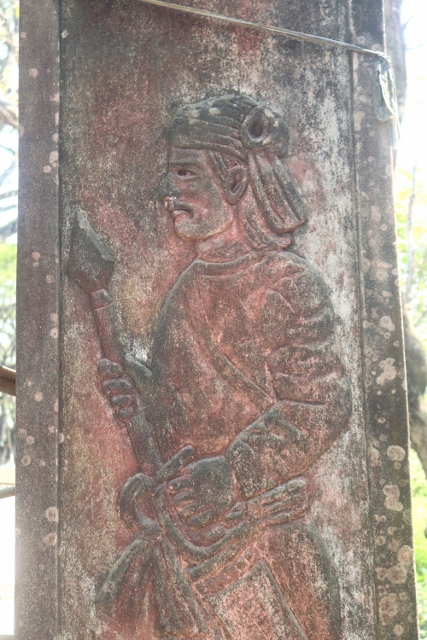
Another Sivadol – dol means temple in Assamese – is located in Sivasagar, or Sibsagar. This temple, and two smaller temples on either side, Vishnudol and Devidol, are located at the southside of the lake that dominates central Sibsagar, the man-made Borpukhuri tank. Built in 1734, at the same time the tank was dug, this is probably the nicest temple complex so far, with especially the Sivadol exquisitely decorated on the outside again, not just the niches with reliefs of deities – again, some of them restored -, but also carvings on many of the original stone building blocks, and on the dark stone rims that surround the temple.
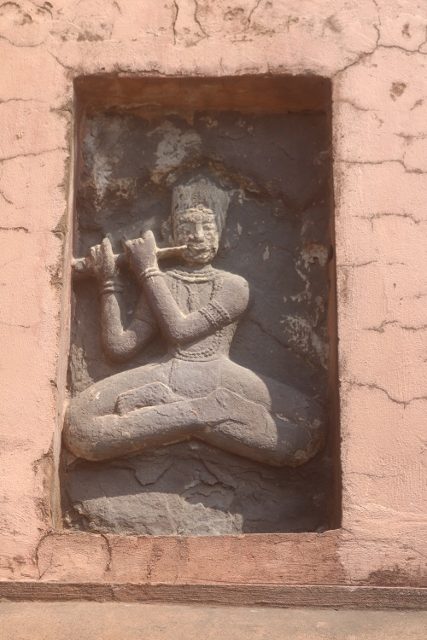
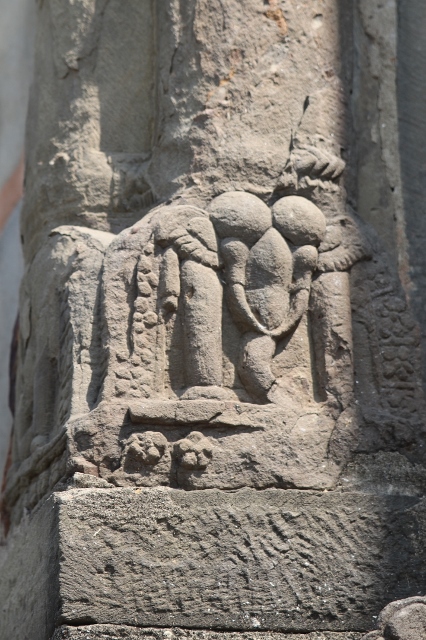
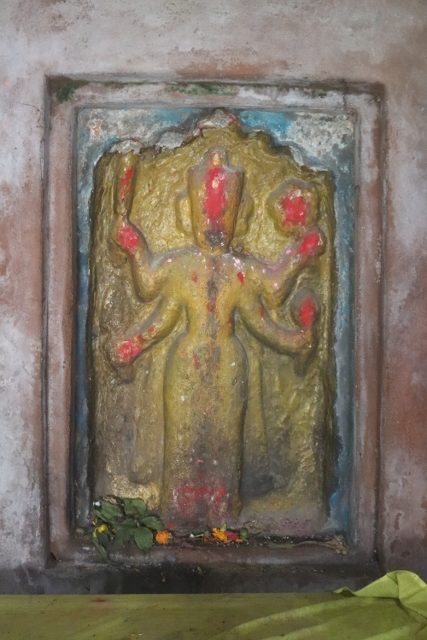
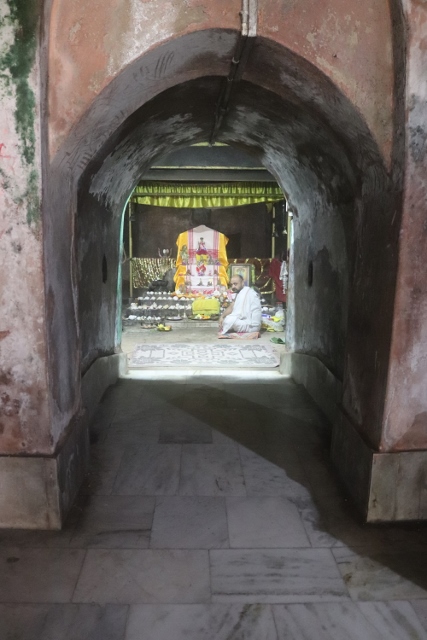
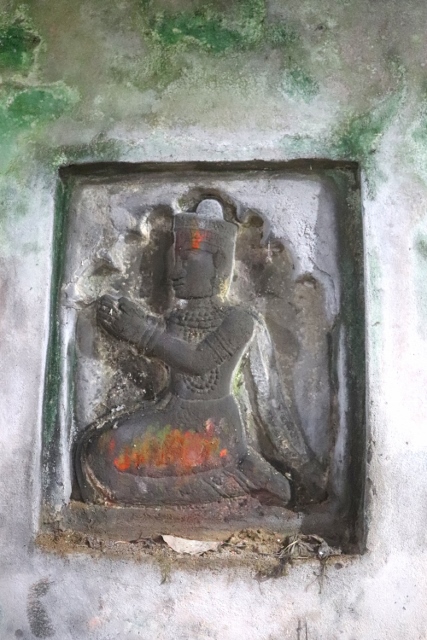
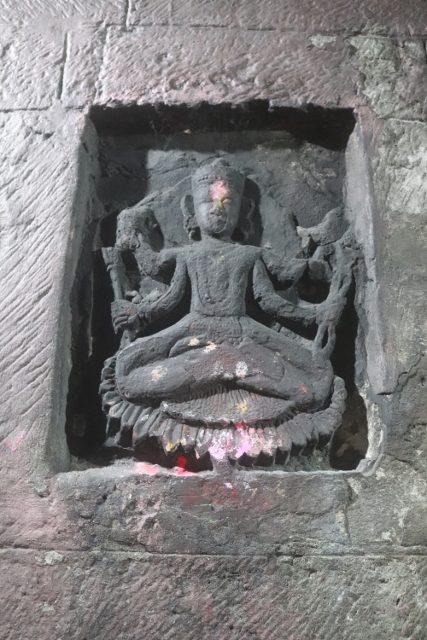
Inside the temples are further carvings, less clearly visible in the dark, but obviously venerated by the pilgrims who come to visit. The ones in the Vishnudol are the nicest, I think. The temple elders, if not busy with administering the praying rituals with the pilgrims, are happy to chat away, not in whispering voice, but as a normal conversation. Once again, as so often in the Northwest of India, we feel welcome, here.
The Palaces
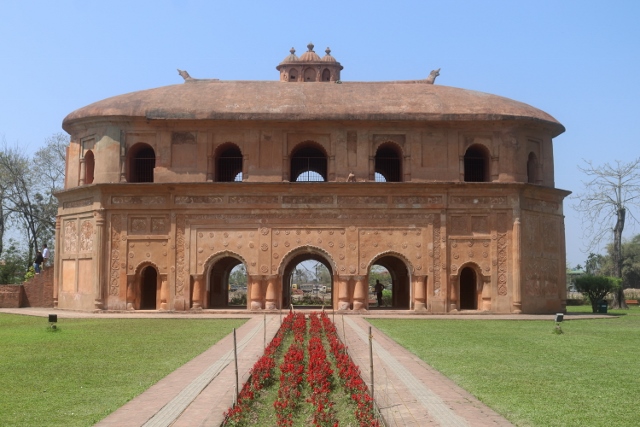
Sibsagar and its surroundings have a lot more Ahom architecture from the most flourishing period of this kingdom, the 17th and 18th C. The Rangghar is a two-story building from where the kings watched the games held on the court in front. The description by some as the Colosseum of the East is rather overstretched: it is a pavilion, with a few rooms inside and a gallery around the first floor, sparsely decorated with reliefs, and quite restored, it looks. This not being a temple, entry tickets are required, 20 Rupies for locals and 15 times that amount for foreigners. Still not a huge sum of money, 300 Rupies is less than 3.5 Euros, but imagine if we would ask Indians visiting Amsterdam to pay 225 Euros for an entry ticket to the Van Gogh museum.
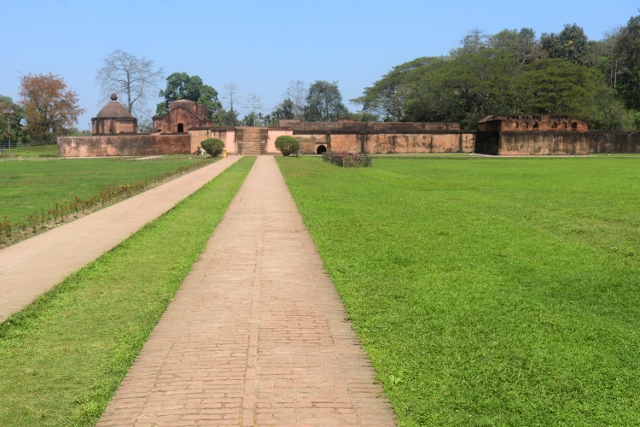
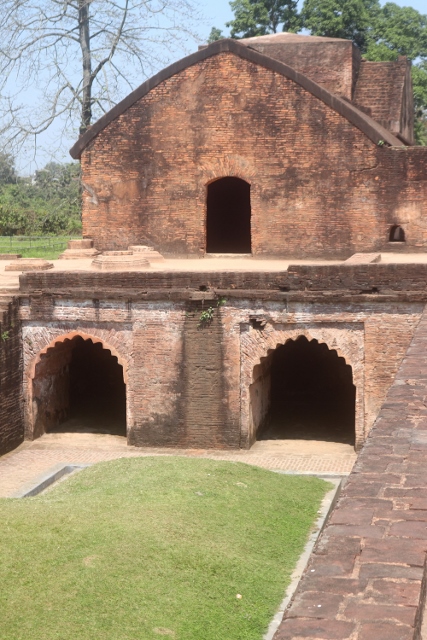
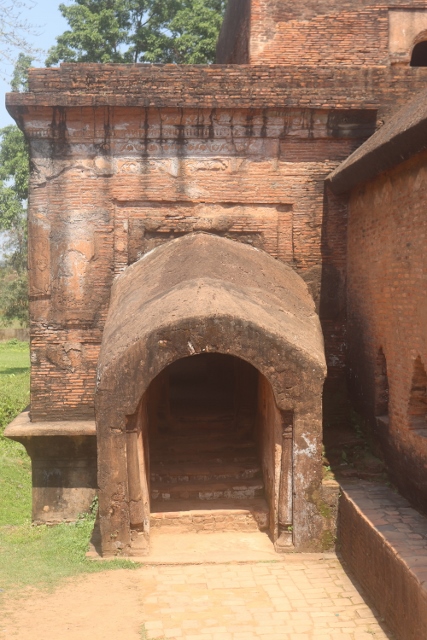
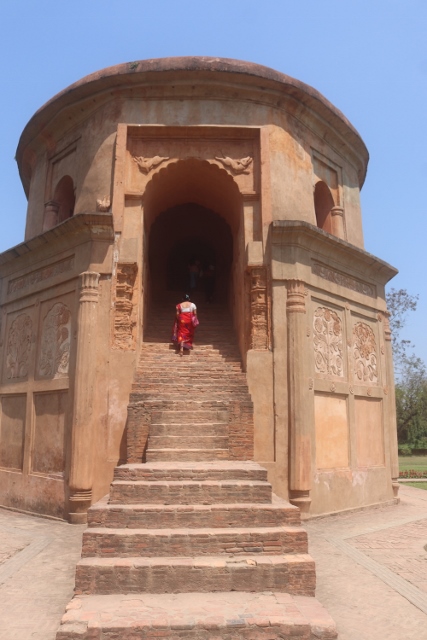
Nearby is the Talatal Garh, built as a royal palace – a Karenghar – by one of the Ahom kings at the end of the 18th C. This is the largest of all the Ahom monuments, although it doesn’t show: apparently, there are four floors of the palace underground. We only can visit three levels of this widespread complex, with a large middle court around which individual buildings, some just one room, some multi-story, have been built. Great to wander around, finding connections and stairs up and down, a bit like a labyrinth.
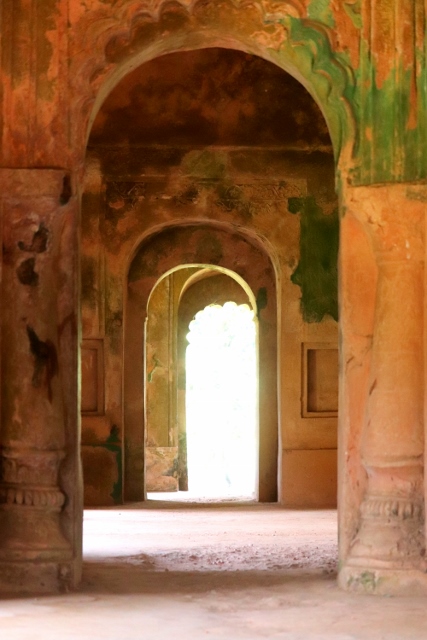
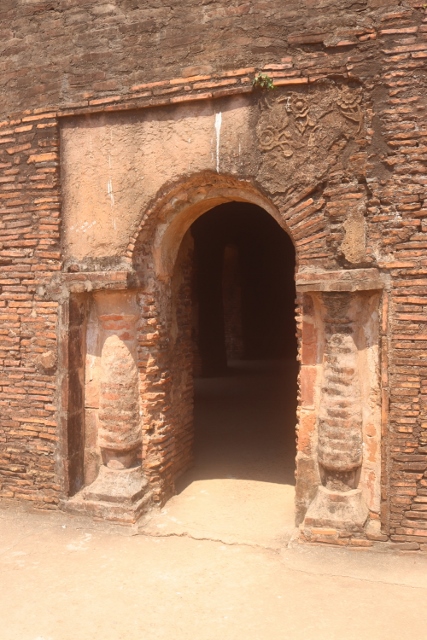
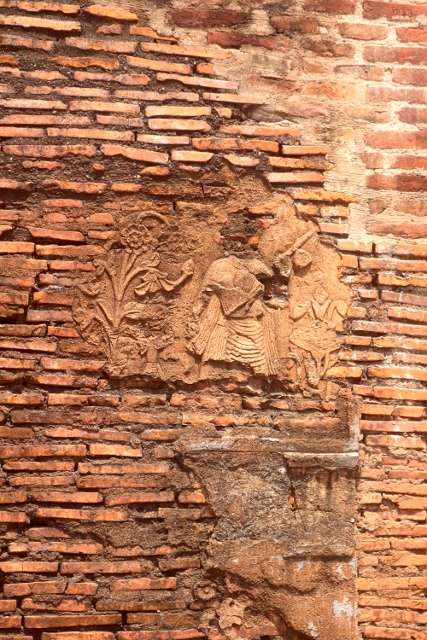
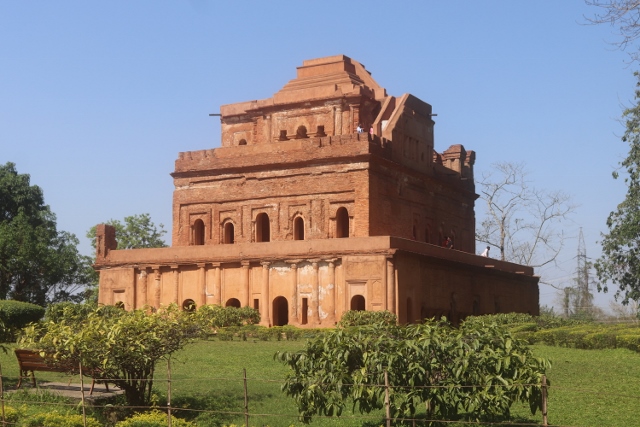
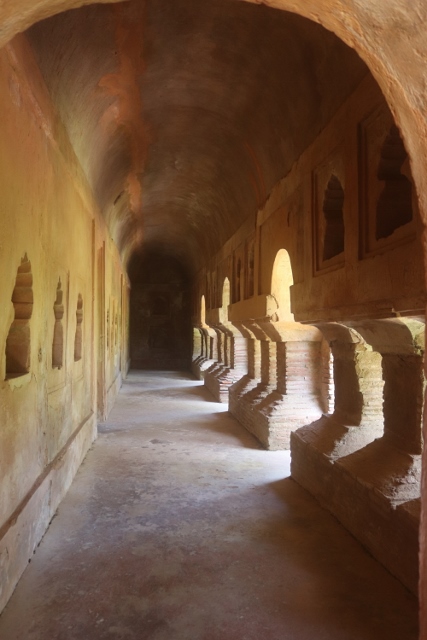
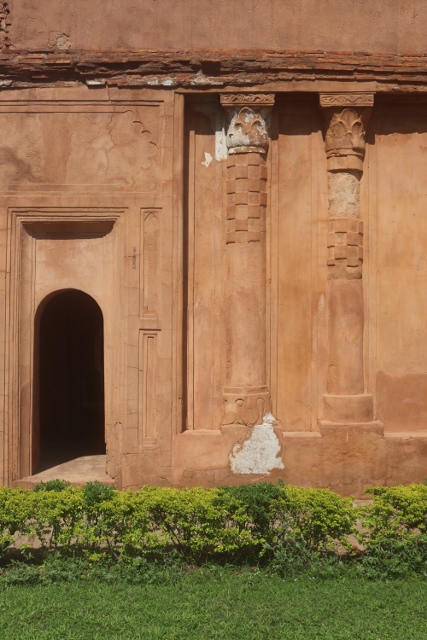
Outside Sibsagar, in a place called Gargaon, is another of the palaces, the Ahom Raja’s palace (also called Karengarh). The original structure was a wooden palace, but this one, too, was rebuilt in stone in 1752. It is claimed to have seven floors, too, but only three are visible, and can be accessed – through multiple archways and steep stairs. Altogether an impressive building, and once again at least partly restored.
But there is more: the moidans of Charaideo.